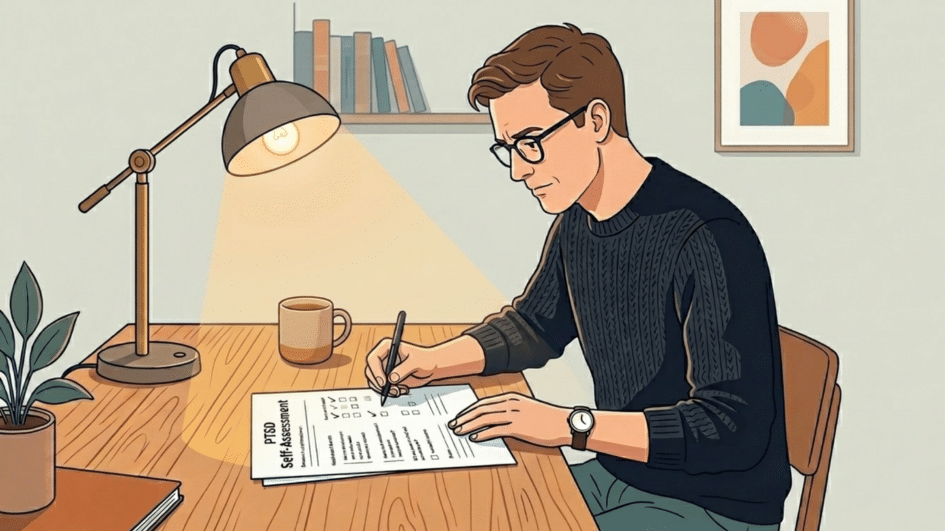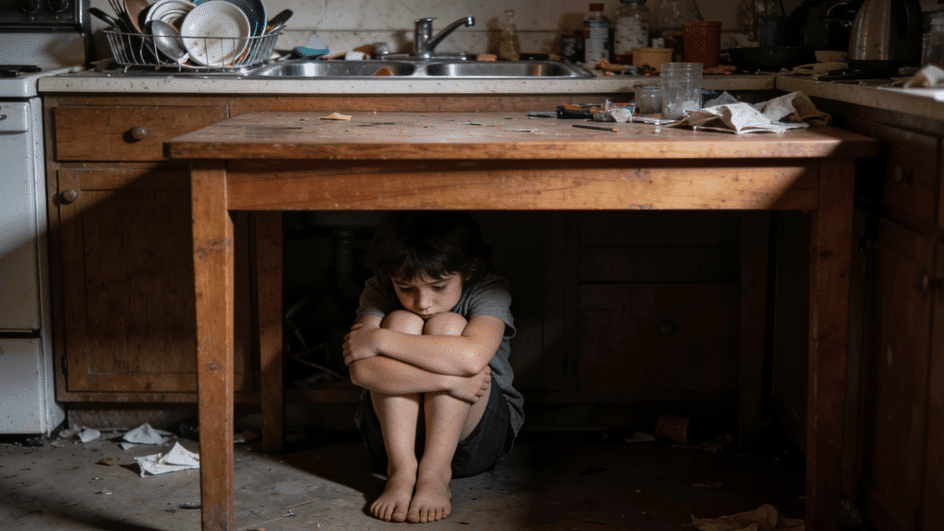
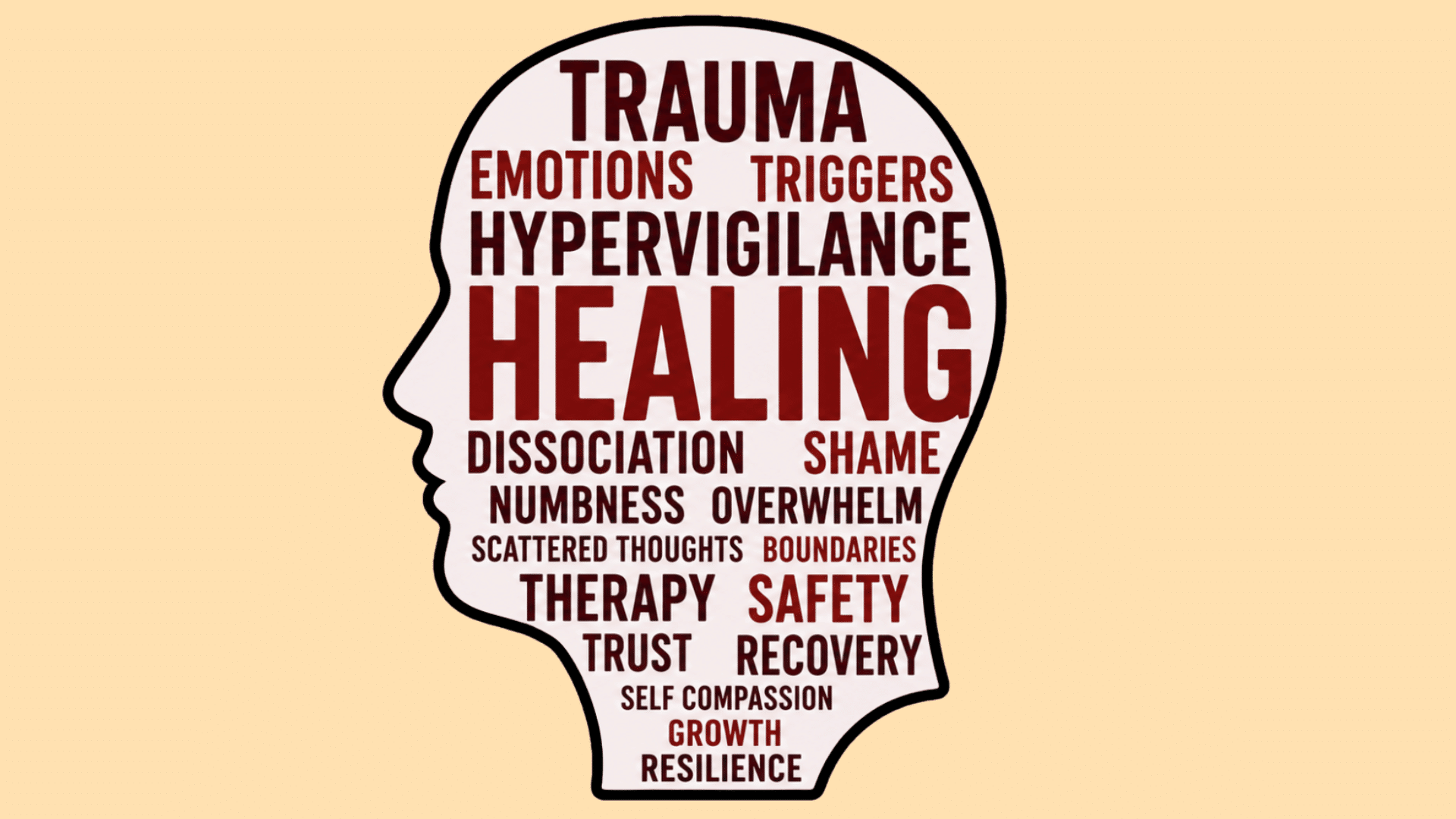
I’ve observed many people living with the lasting effects of prolonged trauma, and the impact of complex PTSD on daily life is often profound.
Unlike standard PTSD, it tends to develop after repeated or ongoing experiences, and its symptoms can feel confusing and overwhelming to those who live with them.
These symptoms are frequently misunderstood or overlooked, both by individuals and the people around them. That’s exactly why a clearer understanding matters so much.
In this blog, I’ll walk you through 17 symptoms of complex PTSD, explaining each one in clear, simple terms.
Disclaimer: This blog is for informational purposes only and is not a substitute for professional medical advice or diagnosis. Only a qualified mental health professional can assess and diagnose C-PTSD.
What is Complex PTSD?
Complex PTSD is a disorder that may develop following exposure to an event or series of events of an extremely threatening or horrific nature, most commonly prolonged or repetitive events from which escape is difficult or impossible.
A person may have PTSD symptoms, plus trouble managing emotions, feeling bad about themselves, and trusting others.
The U.S. Department of Veterans Affairs says Complex PTSD is recognized in ICD-11, but not as a separate diagnosis in DSM-5.
It is also sometimes referred to as DESNOS (Disorders of Extreme Stress Not Otherwise Specified) or Enduring Personality Change After Catastrophic Experience.
Causes of Complex PTSD
- Ongoing childhood abuse or neglect
- Long-term domestic violence
- Prolonged captivity or imprisonment
- Repeated sexual abuse
- Human trafficking
Studies estimate that C-PTSD affects between 1 and 8 percent of the general population, with significantly higher rates among those seeking mental health care for chronic trauma.
17 Complex PTSD Symptoms in Adults
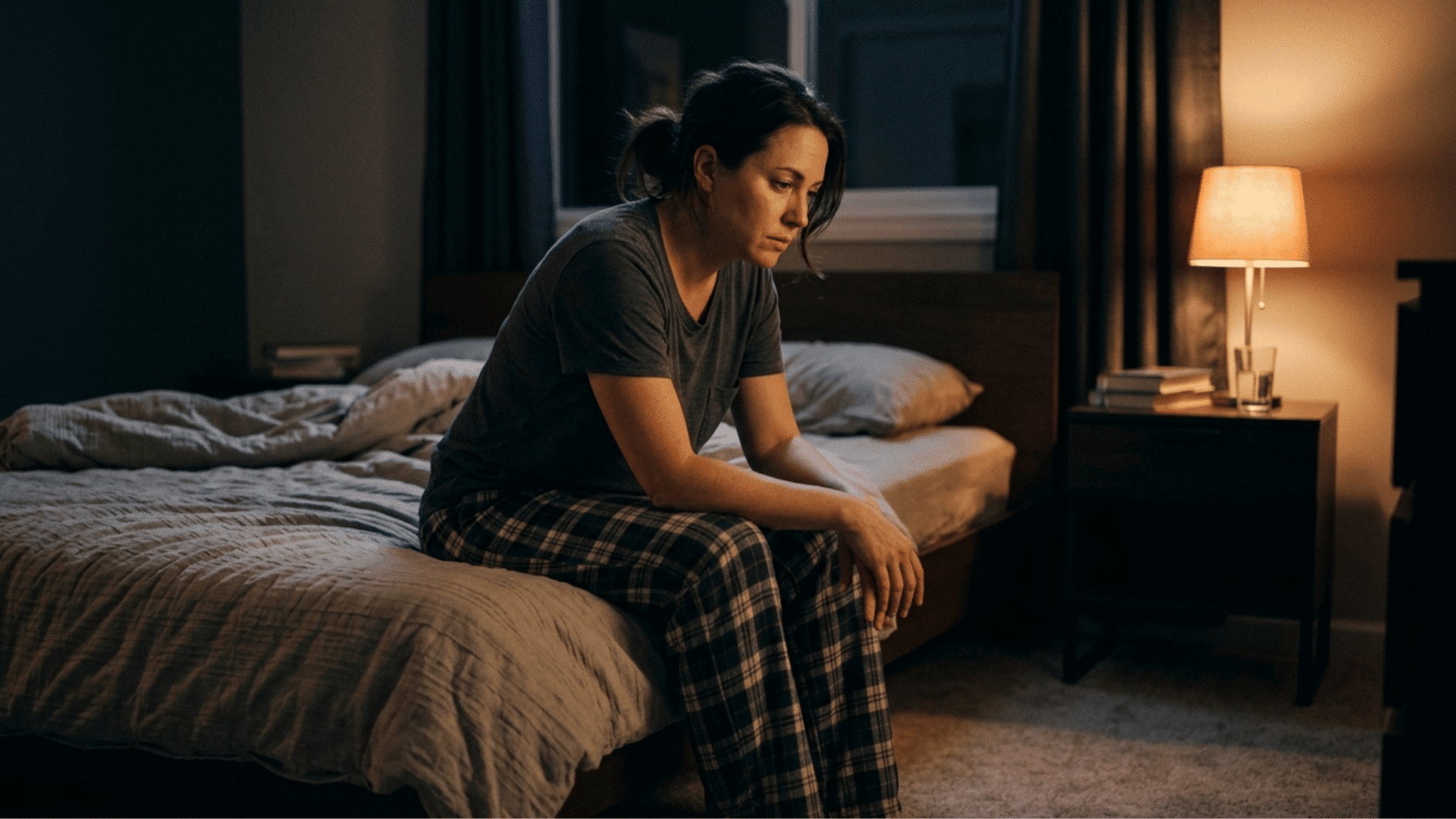
The symptoms below are drawn from the ICD-11 classification, Dr. Judith Herman’s foundational 1992 research, and the VA National Center for PTSD.
1. Emotional Flashbacks
Unlike visual flashbacks, emotional flashbacks bring back the feelings of past trauma, sudden fear, shame, or helplessness without a clear memory attached.
You may not know what triggered it. It can feel like the past is happening in your body right now, even when you are safe.
2. Intrusive Thoughts and Memories
Unwanted memories of traumatic events can surface without warning, mid-conversation, while driving, or just before sleep.
They arrive uninvited and are difficult to stop. Over time, they can make it hard to feel present in your own life.
3. Nightmares and Disturbed Sleep
Many adults with C-PTSD experience nightmares that replay traumatic events or hyperarousal that makes it hard to fall or stay asleep.
Chronic sleep disruption affects mood, concentration, and physical health and can make other symptoms harder to manage.
4. Avoidance of Trauma Reminders
People with C-PTSD often avoid places, people, sounds, or situations that remind them of their trauma. This avoidance
can feel protective in the moment. Over time, however, it quietly narrows daily life and can delay recovery.
5. Emotional Numbness
Instead of feeling overwhelmed, some people experience the opposite: a flat, disconnected state in which emotions feel out of reach.
This is not indifference. It is often the mind’s way of protecting itself from pain that once felt unbearable.
6. Hypervigilance
Living in a constant state of alertness, scanning rooms when you enter them, watching people’s faces for signs of danger, and never fully relaxing is one of the most exhausting features of C-PTSD.
The nervous system has learned to treat the world as unsafe, even when the threat is gone.
7. Exaggerated Startle Response
Jumping at sudden sounds, flinching at unexpected movement, or feeling your heart race when someone approaches from behind,
these are signs of a nervous system conditioned to expect danger. This is not oversensitivity. It is a survival response that has not yet had the chance to reset.
8. Difficulty Concentrating
When the brain is in a low-level state of threat detection, focusing on work, conversations, or everyday tasks becomes genuinely difficult.
This is not laziness or disinterest. The brain’s resources are being used elsewhere; monitoring for danger leaves less capacity for ordinary attention.
9. Difficulty Regulating Emotions
People with C-PTSD often experience emotions very intensely and struggle to return to a calm baseline after being triggered. A small conflict can feel catastrophic.
This is not an overreaction; it is a nervous system that was never given safe conditions to learn emotional regulation.
10. Persistent Shame or Guilt
This goes beyond ordinary guilt about a specific action. People with C-PTSD often carry a chronic, deep-rooted sense of shame,
a feeling that something is fundamentally wrong with them, not just with what happened to them. It is one of the most painful and least visible symptoms of C-PTSD.
11. Chronic Hopelessness or Despair
A persistent sense that things will not get better, not a temporary low mood, but a background feeling of futility, is common in C-PTSD.
This hopelessness is a symptom of prolonged trauma. It is not an accurate picture of what recovery can look like.
12. Loss of Identity or Sense of Self
Prolonged trauma, especially when it begins in childhood, can disrupt the development of a stable sense of self. People with C-PTSD may struggle
to know who they are or what they want, not from lack of reflection, but because the trauma shaped their identity before they had the chance to build one.
13. Negative Beliefs About the Self
Deeply held beliefs like I am worthless or I deserved what happened feel like facts to someone with C-PTSD. They are not.
They are conclusions the mind drew in order to make sense of experiences that should never have happened.
14. Dissociation and Depersonalization
Some people with C-PTSD describe feeling detached from their own body, watching themselves from a distance, feeling unreal, or losing stretches of time.
Dissociation was once a protective response to overwhelming experience. In daily adult life, it can be deeply disorienting.
15. Difficulty Trusting Others
When harm comes from someone trusted, the ability to feel safe in relationships is damaged at its foundation. People with C-PTSD may push others away
Before they can be hurt, fear closeness, or find themselves repeating painful relationship patterns without fully understanding why.
16. Loss of Meaning or Spiritual Disconnection
Prolonged trauma can shatter a person’s sense that the world is fair or that life has purpose. Dr. Judith Herman described this as changes in “systems of meaning.”
One of the defining features of complex trauma. It can feel like something essential has been taken that is hard to name.
17. Chronic Physical Symptoms
People with C-PTSD frequently experience physical symptoms with no clear medical cause, such as chronic pain, fatigue, headaches, or digestive problems.
These are not imagined. They are the body’s expression of a nervous system under prolonged, unrelenting stress.
How C-PTSD Shows Up Differently in Childhood vs Adulthood
The same condition can look very different depending on when the trauma occurred. Here is how symptoms tend to present across age groups:
| Symptom Area | In Childhood | In Adulthood |
|---|---|---|
| Emotional Regulation | Tantrums, crying outbursts, emotional shutdown | Intense mood swings, difficulty calming down after conflict |
| Self-Image | Feeling different, worthless, or unloved | Deep shame, chronic guilt, and the belief of being fundamentally broken |
| Relationships | Clinginess, fear of abandonment, difficulty trusting caregivers | Pushing people away, fear of intimacy, repeating painful relationship patterns |
| Physical Symptoms | Stomachaches, headaches, bedwetting, and sleep problems | Chronic pain, fatigue, digestive issues, and unexplained physical complaints |
| Behavior | Aggression, withdrawal, regressive behavior, and school struggles | Self-isolation, self-destructive habits, and difficulty maintaining routines |
| Identity | Confusion about who they are or where they belong | Loss of sense of self, feeling empty or disconnected from life |
| Dissociation | Daydreaming, zoning out, feeling unreal during stress | Depersonalization, memory gaps, feeling detached from one’s own body |
| Trust | Fear of adults, hypervigilance around caregivers | Difficulty trusting anyone, expecting harm even in safe relationships |
How C-PTSD Is Diagnosed?
There is no single test for C-PTSD. A diagnosis is made through a thorough evaluation by a qualified mental health professional who considers your full history, symptoms, and how they affect your daily life.
- A detailed clinical interview covering your trauma history, how long symptoms have been present, and how they show up across different areas of life, including work, relationships, and daily functioning
- Standardized screening tools such as the International Trauma Questionnaire (ITQ) or PCL-5, which help measure symptom severity and pattern
- Ruling out other conditions that can look similar to C-PTSD, including borderline personality disorder, depression, dissociative disorders, and anxiety
- Assessing co-occurring conditions since C-PTSD rarely appears alone and is often accompanied by depression, anxiety, or substance use
- Reviewing symptom duration and impact, as symptoms must be persistent and significantly disruptive to daily life, rather than a temporary stress response
PTSD Vs Complex PTSD: What Makes Them Different
Both conditions are rooted in trauma, but C-PTSD goes further, affecting not just how a person responds to threat but how they see themselves, manage emotions, and connect with others.
| Feature | PTSD | Complex PTSD |
|---|---|---|
| Cause | Often, after one traumatic event | Often, after repeated or long-term trauma |
| Symptoms | Flashbacks, nightmares, avoidance, feeling on guard | PTSD symptoms plus deeper emotional struggles |
| Emotions | Fear, anxiety, or anger linked to trauma | Trouble managing strong emotions |
| Self-image | May affect confidence | Deep shame, guilt, or worthlessness |
| Relationships | May avoid reminders or people | Difficulty trusting or feeling close to others |
| Diagnosis | Recognized in DSM-5 and ICD-11 | Recognized in ICD-11, not separate in DSM-5 |
Real Experiences of Adults Living with Complex Ptsd
These stories come from adults who have openly shared their experiences on Reddit. While they do not replace medical advice, they provide a personal perspective on living with complex PTSD.
Emotional flashbacks
“I learned about emotional flashbacks and CPTSD. Now I can better identify which emotions are flashbacks and can distance myself from them.”- Reddit
Feeling like the past self returns
“I’ll wake up feeling like the abandoned-rejected child in a hostile environment, and at the end of the day I’ll feel like a man who carves out his own life.”- Reddit
Social shutdown and trust struggles
“I haven’t spoken to my friends in months. I have completely shut down socially. I can’t even speak to other people without freezing up.” – Reddit
Constant Hypervigilance
“My body is always on high alert even when my mind knows I’m safe.” – Reddit
Treatment and Healing Options for Complex PTSD

Recovering from C-PTSD is possible, but it takes time, the right support, and a treatment approach that understands trauma at its root.
- Seek Trauma-Focused Therapy: A therapist can help you safely process trauma and reduce painful symptoms.
- Build Emotional Regulation Skills: Grounding, breathing, and mindfulness can help you calm strong emotions.
- Strengthen Healthy Relationships: Supportive people can help rebuild trust, safety, and connection.
- Consider Medication if Needed: Medication may help with anxiety, depression, sleep, or mood symptoms.
- Create a Daily Self-Care Routine: Sleep, movement, meals, and rest can support steady healing.
- Practice Patience During Recovery: Healing takes time, and small steps can still create real progress.
- 988 Suicide & Crisis Lifeline: Call or text 988 anytime for free, confidential support if you are in emotional distress.
- Take a Validated PTSD Test: Use a trusted screening tool, such as the PCL-5, to understand your symptoms before discussing them with a professional.
Final Thoughts
Understanding what the 17 symptoms of complex PTSD are can feel overwhelming at first, but clarity is often the first step toward healing.
Complex PTSD symptoms in adults can look different from person to person, but none of them define your worth or your future. They are responses, not identities.
Healing from complex trauma is possible, especially with the right support and care. You do not have to make sense of everything alone or all at once.
If this resonates with you, reaching out to a trauma-informed professional may be a gentle next step forward
Frequently Asked Questions
Does Everyone with Childhood Trauma Have C-PTSD?
No. Trauma affects people differently, and not everyone develops C-PTSD.
Can C-PTSD Affect Physical Health?
Yes. Some people experience symptoms like fatigue, headaches, digestive issues, or chronic pain.
Is It Possible to Have Both PTSD and C-PTSD?
C-PTSD includes PTSD symptoms, but a professional can determine which diagnosis best fits.