Yes, gabapentin may help reduce anxiety symptoms in some people, but the research is still limited.
The FDA has approved it only for seizures and postherpetic neuralgia, so its use for anxiety is off-label in the United States.
No controlled trials have tested it for generalized anxiety disorder.
|
Study Insights |
How Does Gabapentin Work for Anxiety?
Acts on Calcium Channels
Gabapentin binds to the alpha-2-delta subunit of voltage-gated calcium channels. This interaction can change how calcium channels function in nerve cells.
May Reduce the Release of Certain Brain Chemicals
By affecting calcium channels, gabapentin may reduce the release of certain excitatory neurotransmitters, including glutamate. These chemicals help transmit signals between nerve cells.
May Help Regulate Nerve Activity
Changes in neurotransmitter signaling may influence activity across nerve networks involved in anxiety. However, researchers have not established exactly how these effects contribute to anxiety relief.
Does Not Directly Act on GABA Receptors
Despite its chemical similarity to GABA, a neurotransmitter that helps limit nerve activity, gabapentin does not directly activate GABA receptors.
How Long Does Gabapentin Take to Work for Anxiety?
It usually takes about 1 to 4 weeks to ease anxiety symptoms.
The exact timeline varies with the prescribed dose, how gradually the dose is increased, individual response, and the type of anxiety being treated.
A doctor can monitor progress and adjust treatment if needed. People should never increase the dose or take extra medication to get faster relief.
|
Study Insights A 2012 randomized, placebo-controlled trial published in Breast Cancer Research and Treatment followed 420 breast cancer survivors. Participants taking gabapentin (300 or 900 mg a day) reported a significant reduction in anxiety symptoms after four weeks, and the improvement remained at eight weeks. |
What Does Gabapentin Feel Like?
During the first few days of treatment, some people notice side effects, such as sleepiness, mild dizziness, or unsteadiness, more than any change in anxiety.
Alcohol can intensify this sedation and is best avoided while taking gabapentin.
When gabapentin is effective, the improvement tends to be gradual.
People often describe everyday worry becoming less persistent rather than a sudden sense of calm. Others notice no meaningful change in their anxiety symptoms.
Feeling sleepy or relaxed does not by itself indicate that the medication is treating anxiety. Any increase in anxiety or restlessness should be reported to a doctor promptly rather than waited out.
What is the Typical Gabapentin Dose for Anxiety?
No standard gabapentin dose has been established for anxiety. Clinical studies have tested10 different doses for specific anxiety-related conditions, as shown below.
|
Anxiety-related condition |
Dose used in studies |
Study duration |
|---|---|---|
|
Social anxiety disorder |
900 to 3,600 mg/day |
14 weeks |
|
Panic disorder |
600 to 3,600 mg/day |
8 weeks |
|
Anxiety symptoms in breast cancer survivors |
300 or 900 mg/day |
4 weeks |
Doctors usually start low and increase gradually to limit drowsiness and dizziness, adjusting the dose based on symptoms, response, and kidney function.
Medical note: The doses listed above are for research reference only and should not be used as personal dosing instructions.
Serious Side Effects That Need Medical Attention
Although less common, gabapentin can cause serious reactions in some people. Do not ignore these symptoms, as some require immediate medical care.
-
Breathing Problems: Slow or difficult breathing, extreme sleepiness, or difficulty waking up require emergency medical attention.
-
Severe Allergic Reactions: Swelling of the face, lips, tongue, or throat, especially with breathing or swallowing difficulties, requires emergency care.
-
Mood Changes: New or worsening depression, unusual behavior, or thoughts of self-harm should be reported to a doctor immediately.
-
Severe Skin Reactions: A rash accompanied by fever, swollen glands, or facial swelling requires urgent medical assessment.
Who Should Be Cautious About Taking Gabapentin for Anxiety?
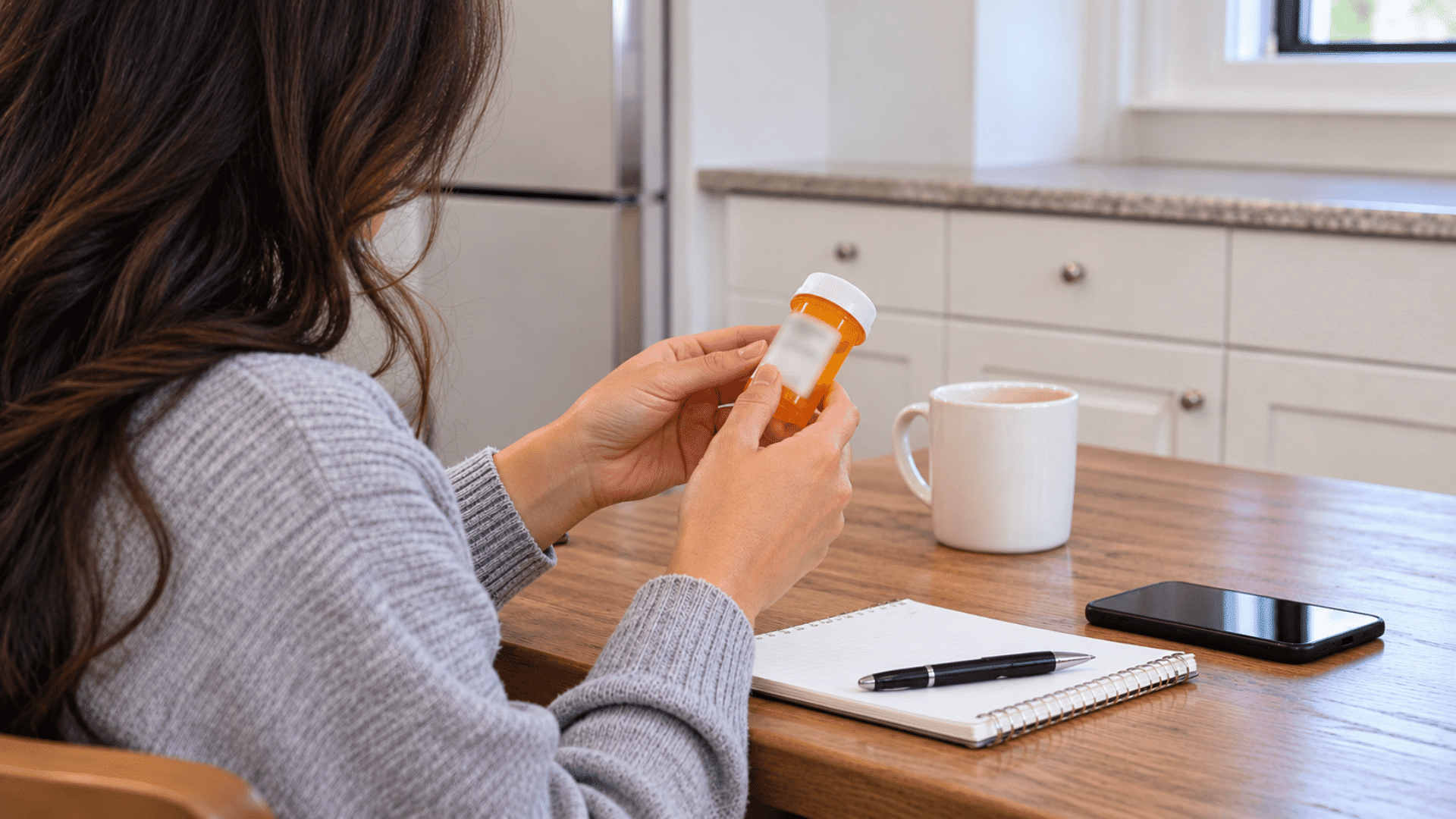
Certain medical conditions, medications, and life stages can raise the risk of serious side effects from gabapentin. Extra caution is needed in the following cases:
-
Kidney Disease: Including people on dialysis, as slower gabapentin clearance can intensify its effects.
-
Lung or Breathing Conditions: Such as asthma or COPD, which increase the risk of serious breathing problems.
-
Use of Sedating Medicines: Including opioids, which also raise the risk of breathing problems when combined with gabapentin.
-
Older Age: Adults over 65 face a higher risk of breathing problems.
-
Depression or Suicidal Thoughts: Whether current or past, as gabapentin can affect mood.
-
Substance Use or Regular Alcohol Use: Gabapentin is not a federally controlled drug, but misuse has been reported, mostly in people with a history of substance use.
-
Pregnancy and Breastfeeding: Some studies have linked gabapentin use during pregnancy to preterm birth or low birth weight.
Should You Ask Your Doctor About Gabapentin?
When anxiety begins to disrupt sleep, work, or daily activities, a healthcare provider can assess whether gabapentin is an appropriate option.
If it is suggested, it helps to ask why it suits the particular situation, what benefits can reasonably be expected and over what timeframe, and which side effects warrant contacting the doctor.
Before treatment begins, the doctor should receive a complete list of current medications, supplements, and existing health conditions.
It is also worth confirming how progress will be monitored and when to follow up.
Gabapentin should not be stopped or adjusted without medical advice. Stopping suddenly can cause withdrawal symptoms such as anxiety, trouble sleeping, nausea, pain, and sweating, so doctors typically taper the dose over at least a week.
If symptoms persist or worsen, the doctor can review the treatment and consider other options.
Gabapentin Vs Other Anxiety Medications
Gabapentin differs from commonly prescribed anxiety medications in its use and level of research support.
SSRIs, such as sertraline and escitalopram, are often the first choice for ongoing anxiety because they have strong evidence supporting their use.
SNRIs, such as venlafaxine, are another common option. Benzodiazepines, such as alprazolam and lorazepam, provide faster relief but carry a risk of dependence and are generally used short-term.
Buspirone is another option for ongoing anxiety and has a lower risk of dependence. Gabapentin has a less established role in anxiety treatment, so doctors generally consider its use based on individual circumstances.
|
Important Consideration Bupropion (Wellbutrin) is sometimes mentioned alongside these, but it is an antidepressant rather than a standard anxiety treatment, and nervousness can be one of its side effects. If you’re wondering how long Wellbutrin takes to work, sleep, energy, and appetite may improve in the first week or two, while mood changes can take 6 to 8 weeks. That’s the timeline Drugs.com gives. |
Frequently Asked Questions
Is 300 Mg of Gabapentin a Lot for Anxiety?
300 mg is a relatively low dose compared with amounts tested in some anxiety studies. However, the right dose depends on individual health, kidney function, and medical advice.
Is Gabapentin as Good as Xanax for Anxiety?
There is not enough research to say gabapentin works as well as Xanax (alprazolam). Xanax provides faster relief, while gabapentin has limited evidence supporting its use for anxiety.
How Many Hours Does Gabapentin 300mg Last?
A 300 mg dose of immediate-release gabapentin typically stays in the body for several hours, with a half-life of about 5–7 hours in people with normal kidney function. How long its effects last can vary from person to person.