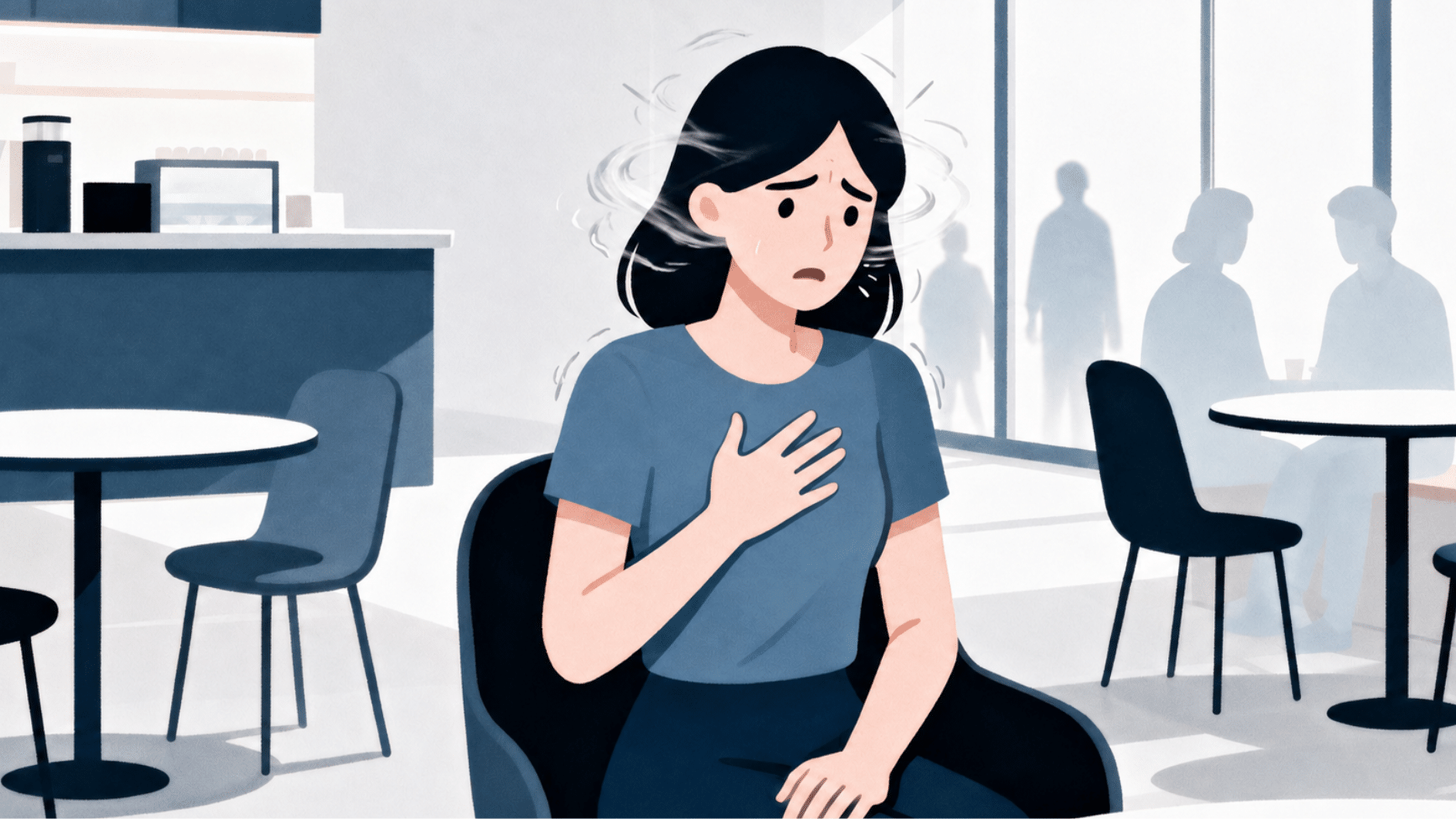

Have you ever noticed that getting close to people feels uncomfortable, even when you want a meaningful relationship?
Maybe you pull away after becoming emotionally close, avoid difficult conversations, or struggle to express how you feel.
If these situations sound familiar, you may ask yourself, “Am I emotionally unavailable?” Emotional distance is not always intentional, and many people develop it over time for different reasons.
This blog explains what emotional unavailability means, the signs to look for, common behavior patterns, possible causes, and how therapy may help.
What Does it Mean to Be Emotionally Unavailable?Being emotionally unavailable means having difficulty sharing feelings, building deep connections, or responding openly to another person’s emotional needs. It does not always mean someone lacks care or affection. In many cases, emotional distance develops as a way to avoid rejection, conflict, or vulnerability. A person may enjoy companionship but feel uncomfortable when a relationship becomes more serious. They may also struggle to identify their own emotions. Emotional unavailability can appear in romantic relationships, friendships, and family bonds, often without the person fully realizing it. |
Am I Emotionally Unavailable: Signs and Behaviors to Look For

Recognizing these habits can help answer the question, ‘Am I emotionally unavailable?’ One or two behaviors do not always mean someone is emotionally unavailable, but noticing them can still offer helpful insight.
- Avoids Emotional Conversations: Changes the subject or shuts down when feelings come up.
- Keeps People at a Distance: Finds it hard to let others get emotionally close.
- Struggles to Express Feelings: Knows emotions are there but cannot easily put them into words.
- Pulls Away After Closeness: Creates distance when a relationship starts becoming more serious.
- Values Independence Above Connection: Prefers handling everything alone, even when support is available.
- Has Difficulty Trusting Others: Expects disappointment or rejection instead of emotional safety.
- Sends Mixed Signals: Wants closeness at times but withdraws when emotional commitment grows.
Why Might You Be Emotionally Unavailable?
Emotional unavailability rarely develops without a reason. For many people, it grows from past experiences that make emotional closeness feel risky or uncomfortable.
1. Past Relationship Trauma
Painful experiences such as betrayal, heartbreak, or repeated rejection can make opening up feel unsafe.
Keeping emotional distance may become a way to avoid getting hurt again, even in healthy relationships.
2. Childhood Wounds
Growing up with inconsistent emotional support, criticism, or neglect can affect how someone connects with others later in life.
Expressing feelings may not feel natural if emotional needs were not consistently acknowledged. Often, these early experiences quietly carry into adult life and shape how safe closeness feels.
3. Fear-Based Protection
Some people believe that showing emotions makes them vulnerable.
They may hide their feelings, avoid difficult conversations, or leave relationships early to protect themselves from disappointment.
4. Attachment Style
Attachment styles formed during early life can influence adult relationships.
People with an avoidant attachment style, for example, often value independence and may feel uncomfortable relying on others or allowing others to rely on them emotionally.
This isn’t a fixed label; working through anxious attachment patterns or avoidant ones is possible with consistent effort and, often, support from a therapist.
Ways Emotional Unavailability Can Affect Relationships
Emotional unavailability can slowly affect the way people connect with those around them.
When someone avoids sharing feelings or struggles to respond to others’ emotional needs, relationships may start to feel distant or confusing. Over time, this can create challenges in building strong and trusting connections.
Some common effects include:
- Difficulty building trust: Avoiding emotional openness can make others feel unsure about the relationship.
- Feeling disconnected: Partners, friends, or family members may feel a lack of closeness or understanding.
- Creating misunderstandings: Limited communication can lead to confusion about feelings, needs, or intentions.
- Making others feel unsupported: People may feel alone when their emotions are not acknowledged or addressed.
Recognizing these patterns can help a person understand how their behavior affects relationships and work toward healthier emotional connections.
Ready to Open Up? Here’s How to Build Emotional Availability
Becoming more emotionally available starts with noticing your habits, understanding your feelings, and creating healthier ways to connect with others.
- Notice Your Emotional Patterns: Pay attention to moments when you shut down, avoid conversations, or pull away from people.
- Practice Sharing Small Feelings: Start expressing simple emotions and thoughts instead of keeping everything hidden.
- Listen Without Trying to Fix Everything: Focus on understanding another person’s feelings instead of immediately offering solutions.
- Build Comfort With Vulnerability: Allow yourself to share fears, needs, and emotions without feeling ashamed or weak.
- Seek Support When Needed: Talking with a trusted person or therapist can help you better understand emotional barriers.
Yes, Therapy Can Help You Become More Emotionally Available
Becoming more emotionally available is possible, and therapy can offer a safe space to understand the reasons behind emotional distance.
A mental health professional can help identify patterns, beliefs, and past experiences that make closeness feel difficult.
Therapy may improve emotional awareness, communication skills, and healthier relationship habits.
It can also help process unresolved pain, manage emotional triggers, and replace avoidance with positive coping strategies.
Over time, these changes can support trust, vulnerability, and stronger connections.
Progress takes time, but small steps toward self-awareness can help create more secure and fulfilling relationships.
The Bottom Line
If you have been asking yourself, ‘Am I emotionally unavailable?’ recognizing these patterns is an important first step, not a reason for self-judgment.
Emotional distance often develops as a coping mechanism for difficult experiences, rather than as a lack of care or an inability to form meaningful relationships.
Learning to understand your emotions, communicate openly, and gradually build trust can lead to stronger, more fulfilling connections.
Taking small, consistent steps can make a meaningful difference in becoming more emotionally available and improving your relationships.
Frequently Asked Questions
Is an Emotionally Unavailable Person a Red Flag?
It can be, depending on the situation. Occasional emotional distance is normal, especially during stressful times. However, consistent patterns of avoiding emotional connection, communication, or vulnerability may signal deeper issues that can affect the health of a relationship.
Does Being Emotionally Unavailable Mean Someone Does Not Care?
No. A person may care deeply about others but still struggle to express emotions, trust others, or feel comfortable with vulnerability.
Can Stress Make Someone Seem Emotionally Unavailable?
Yes. High stress, burnout, grief, or major life changes can temporarily affect emotional openness. If these behaviors persist long after the situation has improved, it may be helpful to explore the underlying cause