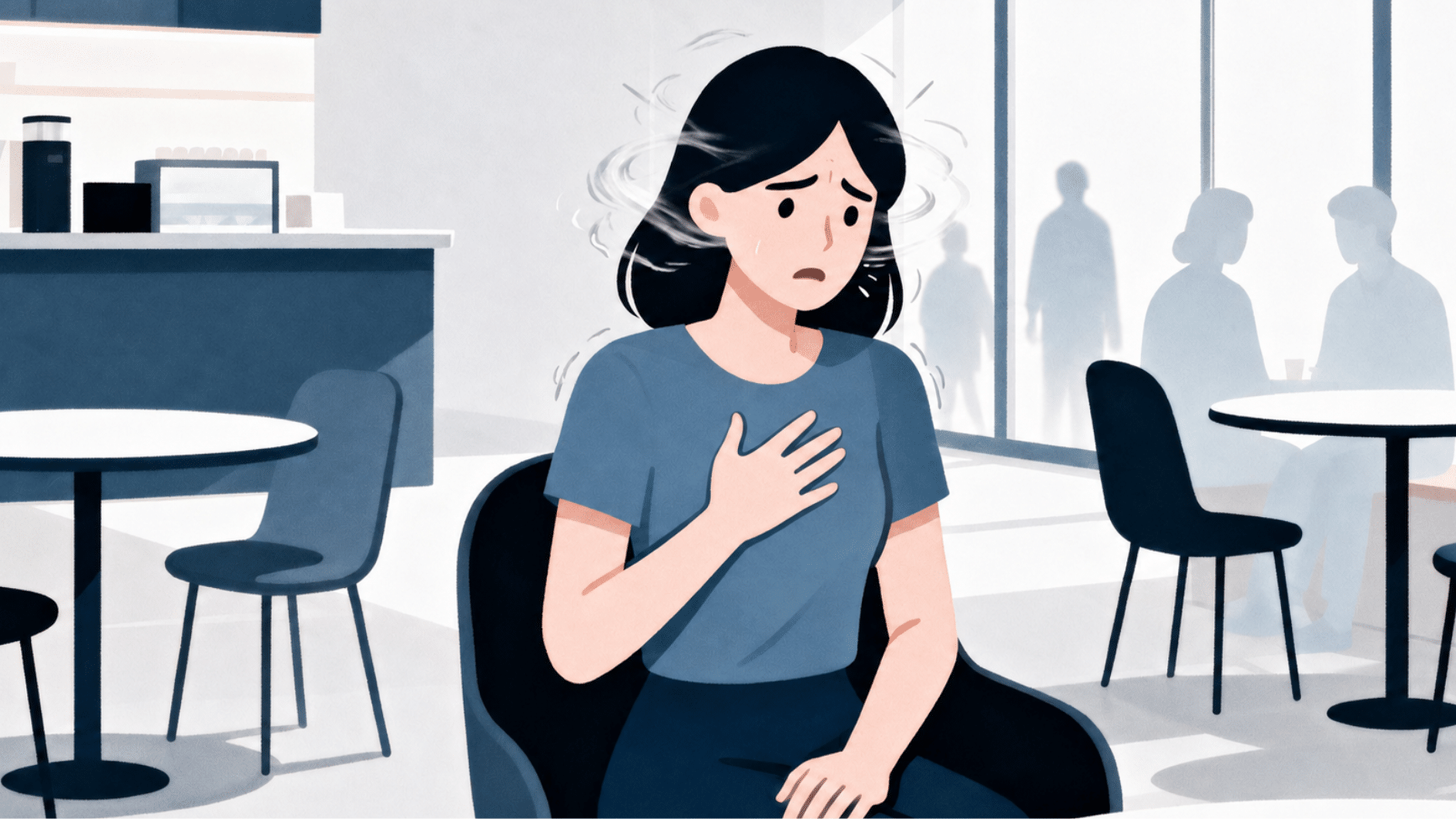

Bipolar disorder is often reduced to “mood swings,” but it involves much more than that, as it can influence how a person with bipolar disorder thinks, feels, makes decisions, and experiences the world around them.
This does not mean a person with bipolar disorder is irrational or unpredictable all the time , and it means their thinking can be strongly shaped by mood, sleep, energy, stress, and brain regulation.
Knowing these shifts in thinking can help reduce stigma and create more informed, compassionate conversations about mental health.
Disclaimer: This blog is for general informational purposes only. It is not medical advice and does not replace care from a qualified mental health professional.
How Does a Person with Bipolar Disorder Think During an Episode?
Bipolar disorder can affect mood, energy, sleep, judgment, behavior, and the ability to think clearly.
These changes do not look the same in every person. They may appear during mania, hypomania, depression, mixed episodes, or stable periods.
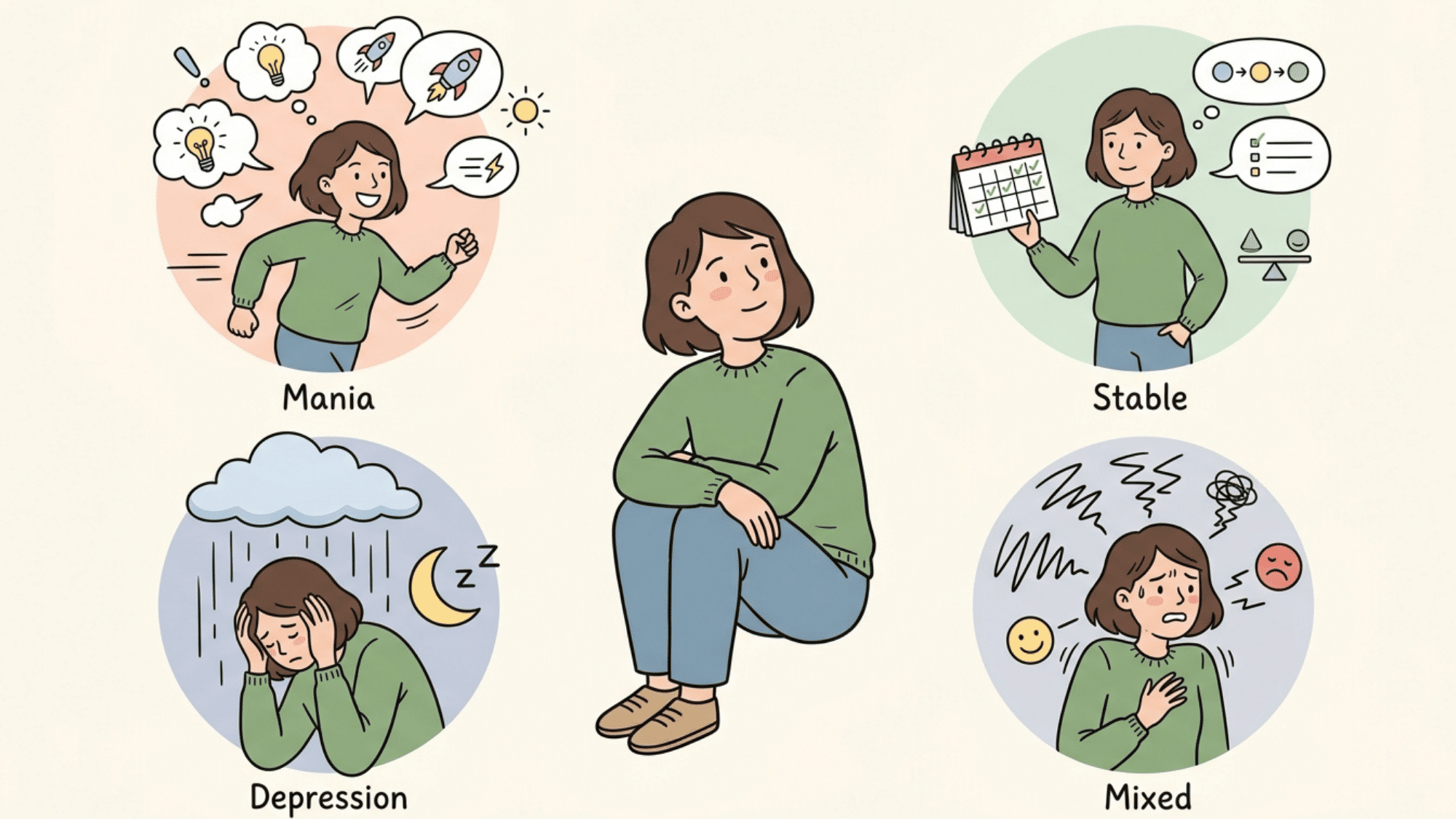
During mood episodes, thoughts may feel faster, heavier, more urgent, or harder to organize. This is why the condition is best understood in terms of changing mood states.
The CMS bipolar disorder factsheet also helps show why it is important to look beyond stereotypes and understand the real cognitive and emotional patterns behind the condition.
Types of Bipolar Disorder
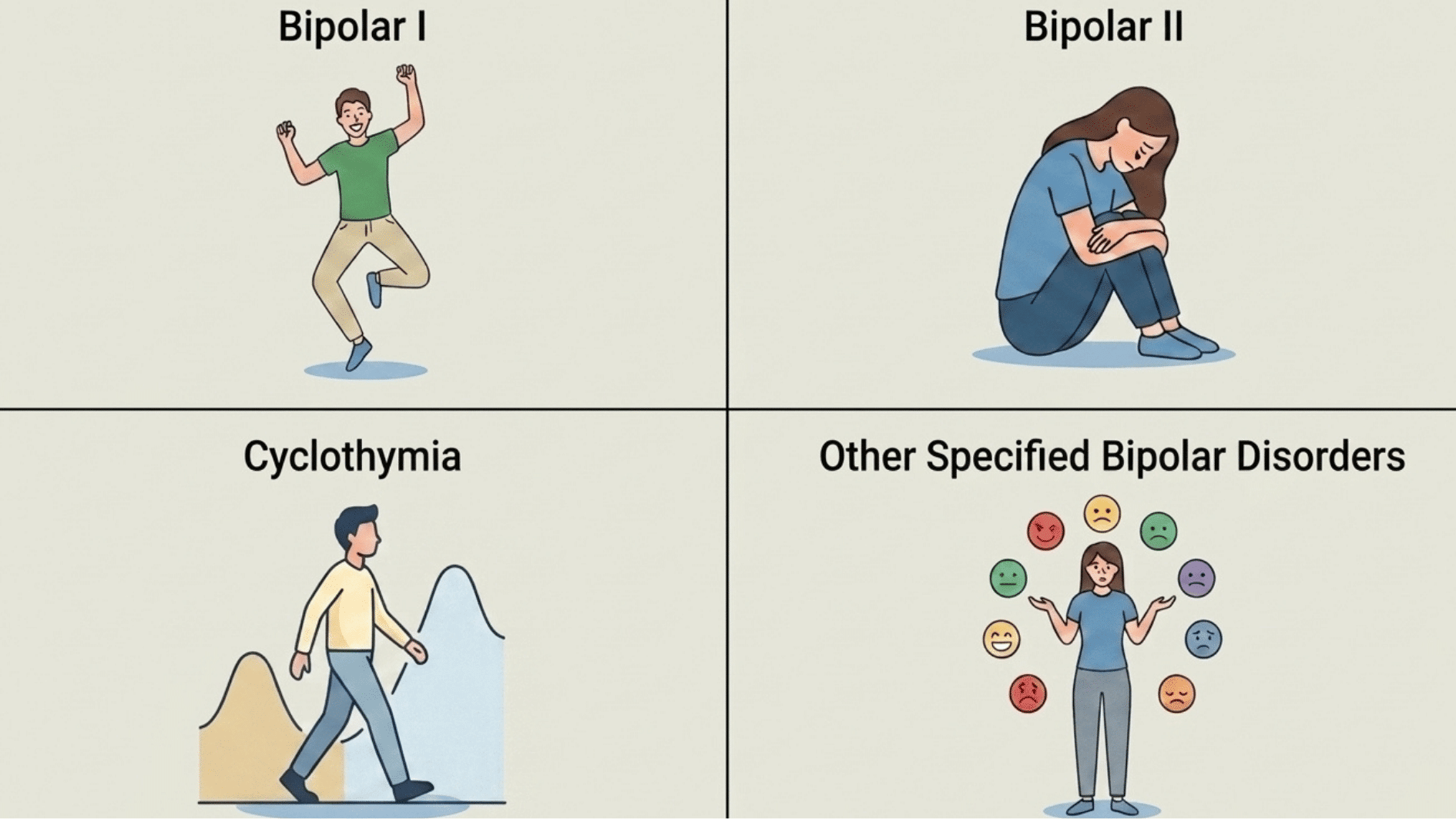
Bipolar disorder includes several types, each with its own pattern of mood episodes, symptom intensity, and impact on daily thinking, emotions, and behavior.
|
Type |
Key Features | Simple Explanation |
|---|---|---|
|
Bipolar I |
Full mania | At least one severe manic episode, often needing treatment. |
|
Bipolar II |
Hypomania + depression | Milder mania with major depressive episodes. |
|
Cyclothymia |
Mild mood swings | Ongoing mood changes that are less severe but long-lasting. |
|
Other Specified Bipolar Disorders |
Partial or mixed symptoms | Bipolar symptoms that don’t fit standard types. |
How Thought Patterns Shift Across Bipolar Mood States
Bipolar disorder can influence perception, self-control, emotional response, and clarity, making each mood state affect thinking in its own way.
1. During Mania or Hypomania
During mania or hypomania, thoughts may feel faster, sharper, and harder to slow down, as ideas can come quickly and confidence may feel unusually high.
A person may feel certain about plans while risks seem less serious in the moment; speech may become quicker, decisions may feel urgent, and sleep may feel less necessary, even though the body still needs rest.
Thinking patterns that feel convincing in the moment but don’t hold up under closer examination are common during these high-energy periods, which is part of why judgment can be harder to trust.
2. During Depression
During depression, thoughts may feel slower, foggy, and difficult to organize, and a person may struggle with focus, memory, or daily decisions.
Feelings of guilt, worthlessness, or being a burden can become heavy, and tasks that once felt simple may require more effort, while social connection may feel harder.
That sense of not being enough is one of the heaviest parts of the depressive phase for many people.
3. During Mixed Episodes
During mixed episodes, depressive and elevated symptoms can happen at the same time, as a person may feel deeply low, hopeless, or emotionally drained while also feeling restless, agitated, or mentally sped up.
This can make thoughts feel intense and confusing.
Mixed episodes may be difficult for the person experiencing them and for loved ones trying to understand what is happening.
4. When Mood Is Stable
When mood is stable, many people with bipolar disorder think, work, study, and make decisions much like anyone else.
They may maintain relationships, handle responsibilities, and feel more in control of their thoughts, though some may still notice mild issues with focus, memory, or emotional regulation; these effects vary widely.
Understanding what ongoing mental health recovery actually looks like can help set realistic expectations for what maintaining stability takes.
How Bipolar Disorder Affects the Brain and Thinking?
Broader neuroscience studies on the bipolar brain vs normal brain show how emotional and cognitive networks may interact differently in bipolar disorder.
- Mood Regulation: Brain circuits that manage emotions may work differently, making feelings more intense during mood episodes.
- Thought Patterns: Thinking may become unusually fast during mania or slower and harder to organize during depression.
- Reward Processing: The brain may respond more strongly to rewards, making risky choices seem more appealing during periods of elevated mood.
- Impulse Control: Judgment may be affected during manic episodes, leading to decisions that feel right in the moment.
- Sleep Connection: Changes in sleep can affect mood stability, concentration, and emotional control.
- Attention and Memory: Focus, memory, and decision-making may become more difficult during active mood episodes
Biological and Genetic Factors in Bipolar Disorder
The exact cause of bipolar disorder is not fully understood, but research suggests that biological differences and genetic factors may influence how the condition develops.
|
Factor |
Area Affected | Possible Influence |
|---|---|---|
| Biological differences | Brain function | Changes in mood and emotional regulation systems |
| Brain networks | Thinking patterns | Faster thoughts during mania, slower thinking during depression |
| Neurotransmitters | Mood balance | Chemical changes affecting emotional stability |
| Genetic influence | Family history | Higher risk among people with affected relatives |
| Inherited factors | Vulnerability | Genes may increase the likelihood of developing bipolar disorder |
Real-Life Examples of Bipolar Thought Patterns
People in bipolar support communities often describe mood episodes as changing not just emotions, but also the way they process thoughts, relationships, and daily responsibilities.
One Reddit user described the “intensity” of their emotions and thoughts, saying they sometimes feel disconnected from their own emotional reactions.
In a BipolarReddit parenting discussion, several parents described how depression and irritability affected their confidence, guilt, and daily responsibilities.
Some community members also described the importance of routine, support systems, therapy, and psychiatric care when managing bipolar disorder.
How Loved Ones Can Respond With More Compassion
Supporting someone with bipolar disorder does not require agreeing with every thought or behavior. It involves balancing empathy with healthy boundaries while encouraging appropriate care when needed.
- Listen Before Judging: Give the person space to share their feelings before offering opinions or solutions
- Ask What Support Feels Useful: Everyone’s needs are different, so ask how you can best help.
- Encourage Healthy Sleep Habits: Consistent sleep can support mood stability and overall well-being.
- Notice Early Warning Signs: Pay attention to changes in sleep, energy, mood, or behavior that may signal an episode.
- Support Treatment Plans: Encourage professional care and respect the strategies that help them manage symptoms. Knowing what’s actually worth bringing up in a session can make it easier for loved ones to encourage that care without overstepping.
The Bottom Line
Knowinghow a person with bipolar disorder thinks begins with recognizing that thoughts often change alongside mood states , and the goal is not to label someone by a diagnosis.
These changes can affect confidence, focus, self-perception, emotional reactions, and decision-making in different ways.
It is to better understand bipolar disorder facts, the experiences that may accompany the condition, and to respond with greater patience, knowledge, and compassion.
Frequently Asked Questions
Can Bipolar Disorder Change the Way Someone Communicates?
Yes, during mood episodes, a person may speak faster, withdraw more, or struggle to explain what they are feeling.
When Should Someone Seek Professional Help?
Help is important when mood changes affect sleep, safety, work, relationships, spending, or daily functioning.
How a Person with Bipolar Thinks During an Episode?
Their thoughts may become faster, darker, more impulsive, or harder to organize depending on the mood state.