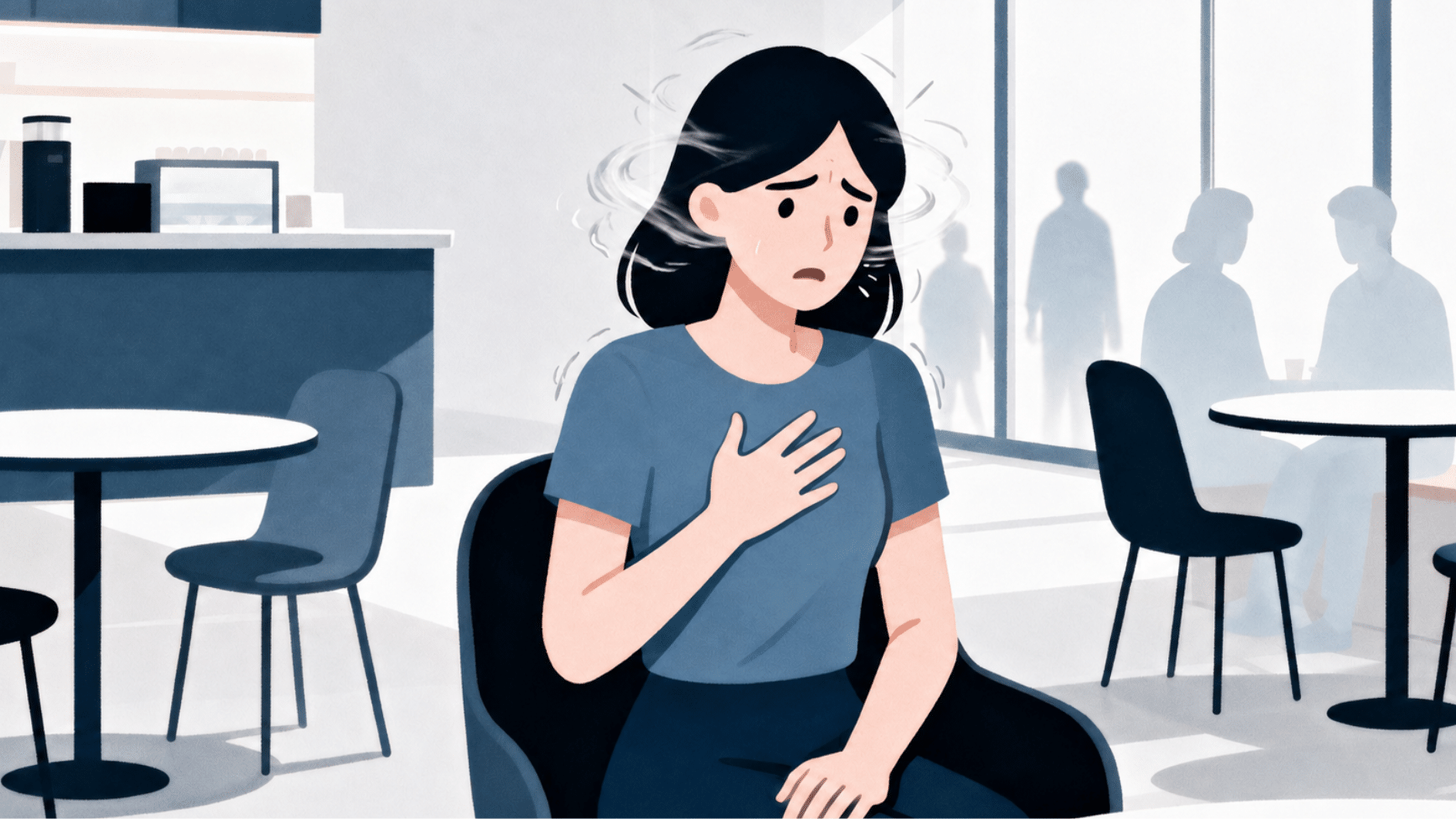

Some people live with anxiety for years without ever feeling like their experience quite fits a recognized pattern.
They struggle, they manage, they push through, but something always feels slightly off and difficult to explain even to the people closest to them.
That quiet, unnamed weight is something I see often, and it genuinely concerns me how many people carry it without ever seeking support simply because they are unsure whether what they feel is serious enough to address.
In this blog, I will explain what unspecified anxiety disorder is, the causes, symptoms, and treatment options.
Disclaimer: This blog is for general information only. It does not replace the advice, diagnosis, or treatment of a qualified mental health professional. If you are struggling, please reach out to a healthcare provider.
What Is Unspecified Anxiety Disorder?
It is used when anxiety symptoms are clear but do not fit a specific diagnosis yet. It still means the anxiety is distressing or affecting daily life.
Clinicians may use it during early evaluations or when symptoms are unclear. It is often used for the same diagnosis in records and billing.
Causes of Anxiety Disorder Unspecified
- Genetic: Family history of anxiety disorders
- Neurobiological: Imbalances in neurotransmitter systems such as serotonin and norepinephrine
- Environmental: Chronic stress, trauma, or major life changes
- Psychological: Negative thinking patterns and difficulty tolerating uncertainty
- Lifestyle: Poor sleep, caffeine, or substance use
Unspecified Anxiety Disorder Classification: DSM-5 and ICD-10-CM
This classification matters because DSM-5-TR explains how clinicians diagnose the condition, while ICD-10-CM specifies how it is coded in medical records and for billing.
| Category | DSM-5-TR | ICD-10-CM F41.9 | ICD-10-CM F41.8 |
|---|---|---|---|
| Code | 300.00 | F41.9 | F41.8 |
| Diagnosis | Unspecified Anxiety Disorder | Anxiety Disorder, Unspecified | Other Specified Anxiety Disorder |
| Use | Clinical diagnosis | Records and insurance billing | When the reason can be specified |
| Applies When | A specific anxiety disorder is not diagnosed | No more specific ICD-10 code is used | Symptoms do not fully meet a specific disorder |
| Key Difference | Clinical label | Billing code | More specific than F41.9 |
Symptoms of Anxiety Disorder Unspecified
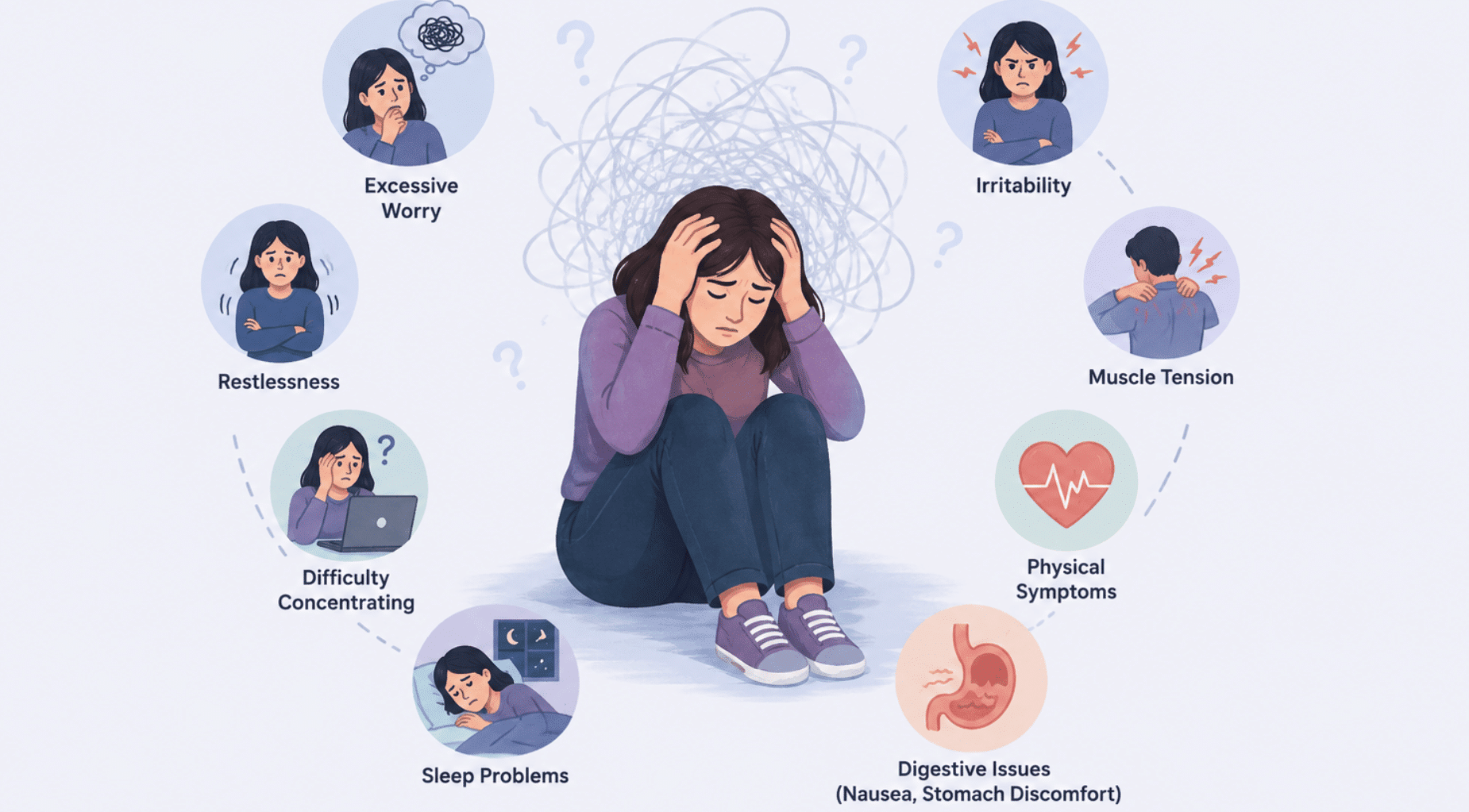
Anxiety can show up in many different ways, and it doesn’t always look the same for everyone. These symptoms may feel overwhelming or confusing, especially when they don’t seem to fit a clear pattern.
- Excessive Worry: Persistent worry that feels difficult to control, even when there is no immediate danger.
- Restlessness: Feeling constantly on edge or unable to relax, even during calm situations.
- Difficulty Concentrating: Trouble focusing on tasks because anxious thoughts keep interrupting attention.
- Sleep Problems: Difficulty falling asleep, staying asleep, or waking up feeling unrested due to anxiety.
- Irritability: Becoming easily frustrated or short-tempered, even over minor issues.
- Muscle Tension: Ongoing tightness or aches in the neck, shoulders, jaw, or other muscles.
- Physical Symptoms: Experiencing signs like a racing heart, sweating, trembling, or shortness of breath during periods of anxiety.
How Clinicians Diagnose Anxiety Disorder Unspecified
Clinicians use interviews, medical history, and assessment tools to understand how symptoms affect daily functioning and whether a more specific anxiety diagnosis can be made.
1. Clinical Interview
A clinician starts by asking what the person is experiencing and how long it has been happening.
They may ask about stress, triggers, sleep, work, relationships, and daily routines. This conversation helps them understand the anxiety in context. It also shows whether more evaluation is needed.
2. Medical and Mental Health History
Medical history helps rule out physical conditions, medications, or substance use that may contribute to anxiety. Mental health history provides context on past symptoms, diagnoses, or treatments.
Family history may also be discussed when relevant. This helps the clinician avoid making a rushed diagnosis.
3. Symptom Duration and Pattern
Clinicians look at how long the anxiety has been present and whether it happens regularly or only in certain situations. Duration matters because many specific anxiety disorders have timing requirements.
Patterns can also show whether symptoms fit another diagnosis. If the pattern is unclear, an unspecified diagnosis may be used.
4. Impact on Daily Functioning
Anxiety must usually cause distress or interfere with daily life to support a diagnosis.
Clinicians may ask whether it affects work, school, relationships, sleep, or routine tasks. This helps measure how serious the concern is. It also guides the level of support or treatment needed.
5. Screening Questionnaires
Screening tools can help measure the severity of anxiety symptoms. A clinician may use questionnaires like the GAD-7 during assessment.
These tools do not confirm a diagnosis on their own. They support the clinical interview and help track changes over time.
6. Rule-Out Assessment
Clinicians check whether symptoms may be better explained by another mental health condition, medical issue, medication, or substance use.
This step is important because anxiety-like symptoms can have different causes. A careful rule-out process improves diagnostic accuracy. It also helps prevent unnecessary or incorrect treatment.
7. Follow-Up Evaluation
A diagnosis may become clearer after more sessions or additional information.
Clinicians may update the diagnosis if symptoms later fit a more specific anxiety disorder. Follow-up also helps track whether treatment is working. This makes the diagnosis a flexible part of care, not a final label.
How Does Anxiety Disorder Unspecified differ from Other Anxiety Disorders?
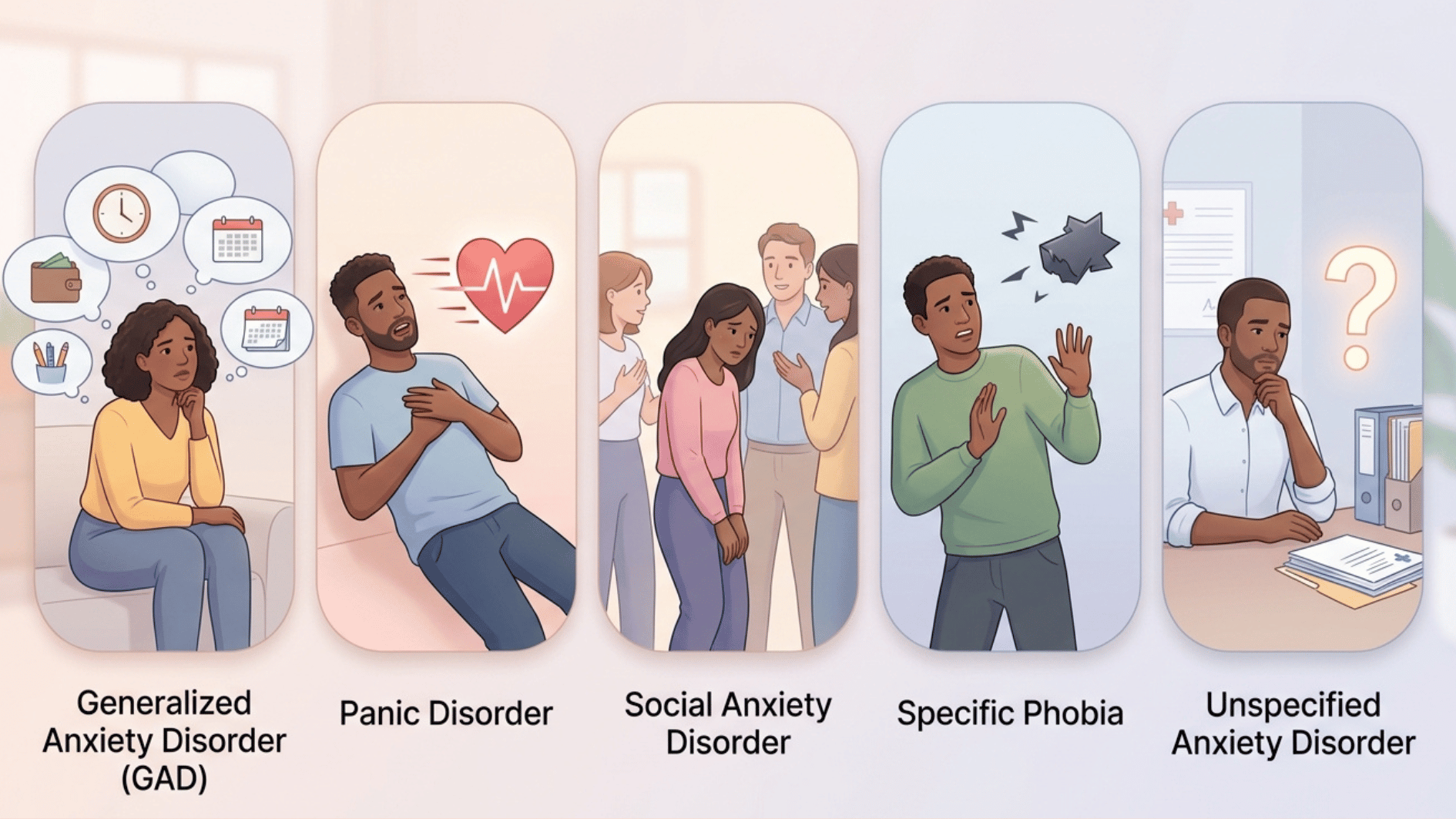
It sits within a broader family of anxiety disorders, and understanding where it fits can help make sense of why it is diagnosed and how it differs from other conditions.
| Disorder | Primary Features | How It Differs |
|---|---|---|
| Generalized Anxiety Disorder (GAD) | Excessive, ongoing worry about multiple areas of life | Meets full DSM-5 diagnostic criteria, unlike an unspecified diagnosis. |
| Panic Disorder | Recurrent, unexpected panic attacks | Defined by panic attacks and related fear, rather than broad anxiety symptoms. |
| Social Anxiety Disorder | Intense fear of social or performance situations | Anxiety is mainly limited to social interactions. |
| Specific Phobia | Fear of a particular object or situation | Anxiety is triggered by a specific source, such as heights or flying. |
| Unspecified Anxiety Disorder | Significant anxiety causing distress or impairment | Used when symptoms do not clearly fit another anxiety disorder or more information is needed. |
What Experts Say About Anxiety Disorder Unspecified
Clinical research emphasizes that this anxiety disorder should be taken seriously as a valid diagnostic category.
What 119 Anxiety Specialists Agreed On About UAD
Neuropsychopharmacology Reports highlights that UAD requires the same clinical attention as other anxiety disorders. Treatment approaches often begin with psychoeducation, coping strategies, and lifestyle interventions. Structured therapy such as CBT is considered an effective first-line intervention
The DSM-5-TR “unspecified” Framework is a Deliberate Clinical Tool
The DSM-5-TR includes “unspecified” categories intentionally to ensure clinically significant symptoms are recognized even when they do not fit precise diagnostic criteria.- World Psychiatry
Diagnostic Threshold
Across DSM and ICD systems, an anxiety disorder diagnosis requires clinically significant distress or functional impairment, not just the presence of symptoms.- NIHR Journals Library
Treatment and Management Options
Treatment for an anxiety disorder, unspecified, focuses on reducing symptoms and improving daily functioning rather than the diagnosis label itself.
- Cognitive Behavioral Therapy: Helps identify anxious thought patterns and build healthier coping responses.
- Medication: A doctor may prescribe medication when anxiety is moderate, severe, or disrupting daily life.
- Stress Management: Simple routines like planning, taking breaks, and practicing calming activities can reduce the daily anxiety load.
- Support System: Talking to trusted family, friends, or support groups can reduce isolation and improve coping.
- Follow-Up Care: Regular check-ins help track progress and update the diagnosis or treatment plan if needed.
- Lifestyle Changes: Regular sleep, exercise, balanced meals, and reduced caffeine intake can help control symptoms.
- Relaxation Techniques: Breathing exercises, mindfulness, grounding, and muscle relaxation can help during anxious moments.
Final Thoughts
An anxiety disorder, unspecified disorder does not mean a person’s symptoms are minor or that treatment should be delayed. Instead, it reflects that anxiety is present, but there is not yet enough information to diagnose a specific anxiety disorder.
With a thorough evaluation and appropriate care, many people learn effective ways to manage their symptoms and improve their quality of life.
If anxiety is interfering with your daily activities, seeking support from a qualified mental health professional is an important first step toward finding the right diagnosis and treatment.
Frequently Asked Questions
Why Do Doctors Use This Diagnosis?
They use it when symptoms are clear but don’t fit one exact anxiety disorder.
Can an Unspecified Anxiety Disorder Change Later?
Yes, the diagnosis may be updated as more information becomes available.
Is an Anxiety Disorder Unspecified Serious?
It can be, depending on symptoms and how much it affects daily life.
Does F41.9 Mean the Doctor Is Unsure?
No, it means they are using the most accurate category based on available information.