Leaving a harmful relationship is rarely as simple as walking away.
When abuse is mixed with affection, the attachment can feel confusing, intense, and almost impossible to break, even when you know the relationship is hurting you.
In my own clinical research, I see trauma bonds as more than emotional attachment. They are learned survival patterns shaped by fear, relief, hope, and repeated emotional reinforcement.
This blog explains how to break a trauma bond in clear, practical terms using evidence-based strategies mental health professionals often recommend.
What is a Trauma Bond?
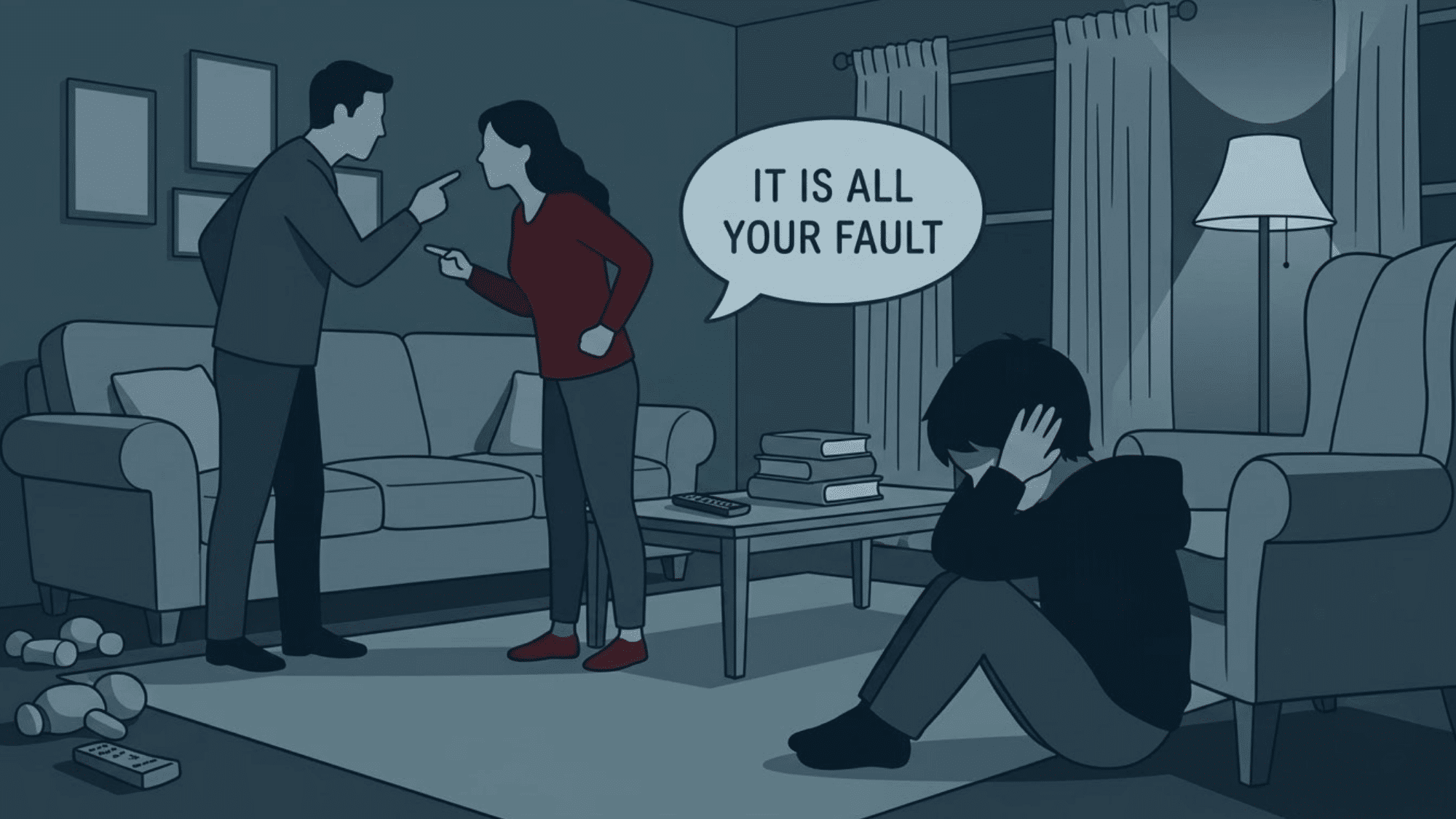
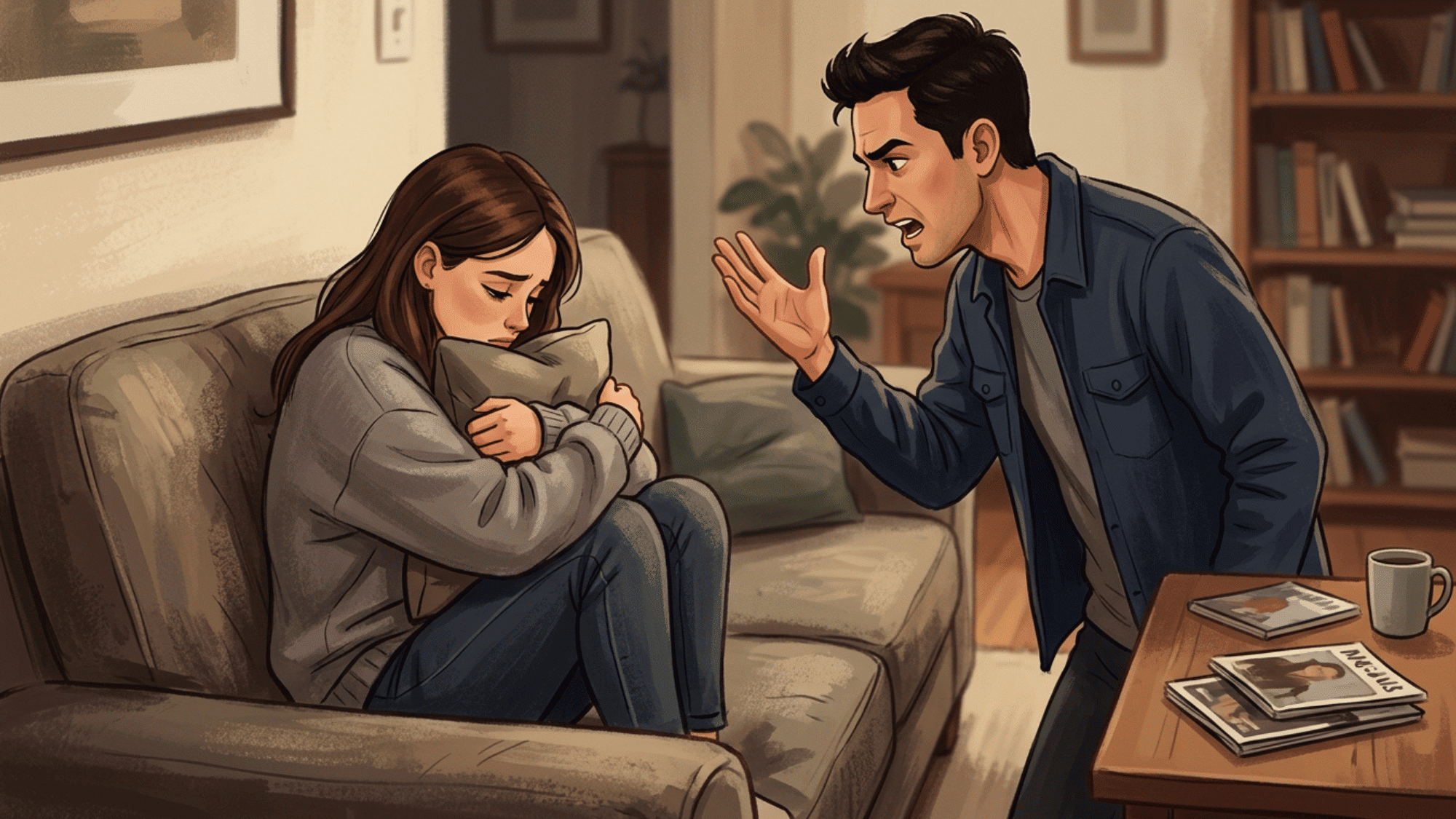
A trauma bond is a strong emotional attachment that forms with someone who repeatedly hurts you. The relationship alternates between mistreatment and moments of affection or apology, making it difficult to leave.
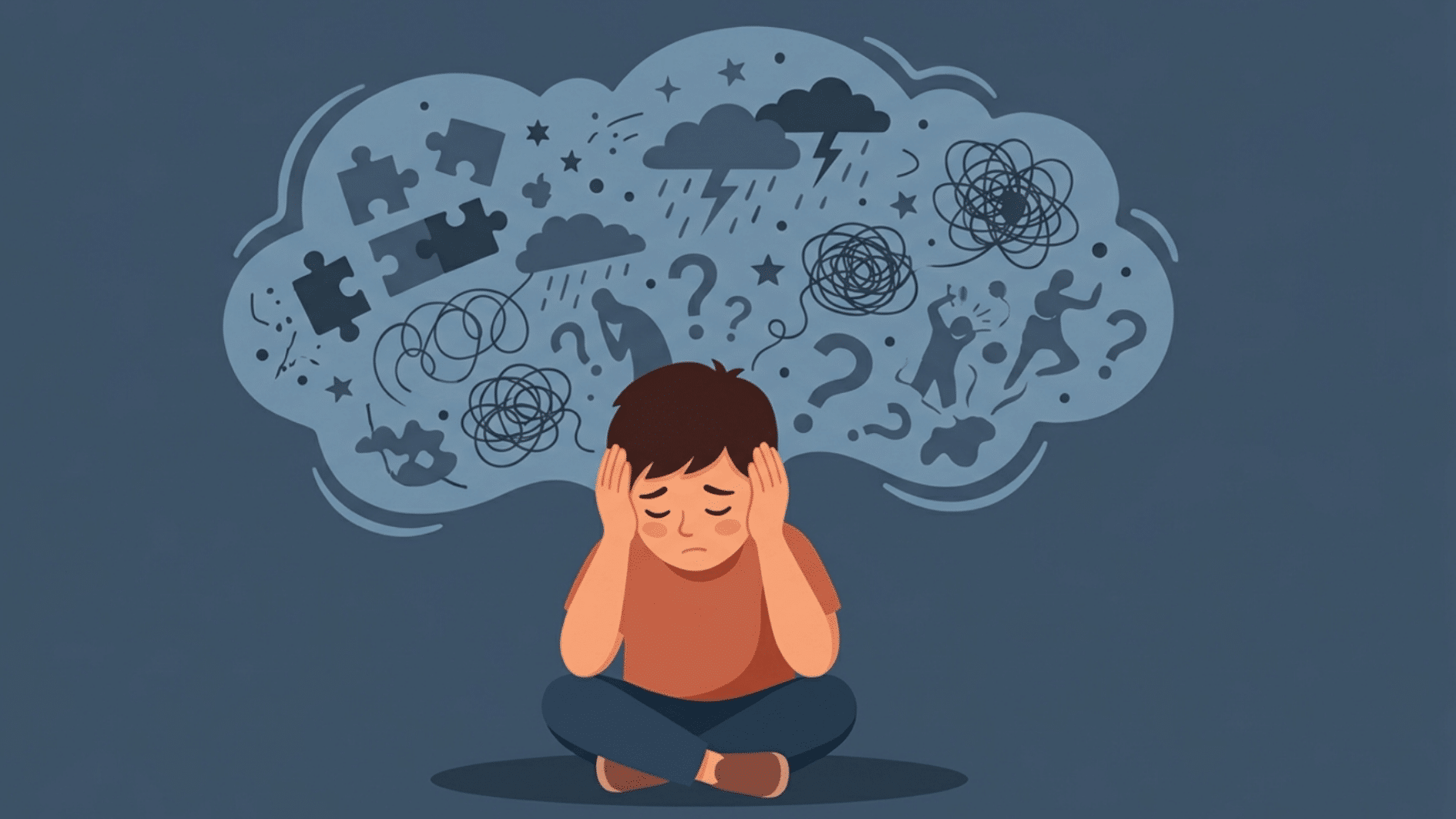
Over time, your brain begins to associate relief and comfort with the same person causing the pain. This cycle can create a powerful emotional dependence, even when the relationship is harmful.
Signs of a Trauma Bond:
- Making excuses for harmful behavior
- Feeling unable to leave the relationship
- Experiencing cycles of abuse and affection
- Becoming isolated from friends and family
- Developing self-blame and low self-worth
How do Trauma Bonds Form?

A trauma bond almost never appears overnight. It builds gradually, which is part of why it is so hard to spot from the inside. The progression typically moves through predictable phases:
- Love Bombing: Intense affection, attention, and idealization at the start.
- Building Trust: You lower your guard and grow emotionally invested.
- Increasing Control: Subtle criticism, jealousy, or restrictions begin.
- Abuse Begins: Emotional, verbal, or physical mistreatment surfaces.
- Apology or Affection: Remorse, gifts, or renewed warmth restore hope.
- The Cycle Repeats: Each loop deepens the attachment.
- Emotional Dependency Develops: You become reliant on the relief that follows each rupture.
How to Break a Trauma Bond: Step-by-Step
Learning how to break a trauma bond begins with decisive, structured action rather than waiting for feelings to change.
While emotions may continue to pull you back, consistent steps toward safety and healing gradually weaken the bond.
Step 1: Educate Yourself and Name the Pattern
Trauma therapists often note that knowledge is power, and that learning how trauma bonding affects your emotional and physical well-being is the first step toward making sense of your experience.
Naming the pattern reframes your symptoms as a protective response rather than a personal failing, which loosens the shame keeping you stuck.
Step 2: Go No-Contact or Strict Limited Contact
If there are no shared obligations, a full no-contact policy is usually safest, including blocking phone numbers, social media accounts, and other platforms.
When complete separation is not possible, such as co-parenting, shared finances, or a shared workplace, keep contact limited, documented, and practical.
Step 3: Break the Isolation
Confiding in a trusted friend, family member, or therapist provides external validation and perspective.
Reconnecting with supportive communities and strengthening social networks measurably supports breaking a trauma bond.
Step 4: Stay Anchored in the Present
Staying focused on the present lets you see the relationship and the person as they actually are now, rather than reminiscing about the “good times,” which minimizes present dangers and makes staying tempting.
Keep a written record of harmful incidents to counter the urge to fantasize about change.
Step 5: Build a Safety Plan
A practical safety plan includes gathering necessary documents, setting aside emergency funds, and identifying trusted people who can help.
I always suggest to my patients that they keep the necessary numbers on speed dial, as it is very easy and sudden to go back to these trauma bonds.
Approximately 48.4% of women and 48.8% of men endure at least one psychologically aggressive behavior by an intimate partner during their lifetimes, according to the CDC.
Trauma Bond Withdrawal Symptoms
Breaking the attachment can feel physically and emotionally turbulent, and knowing this in advance prevents the symptoms from pulling you back.
- Strong Urges to Reconnect: You feel pulled to contact the person despite knowing the relationship is harmful.
- Sleep Disturbances: Falling asleep or staying asleep becomes difficult.
- Panic or Anxiety: Fear and worry feel intense after leaving the relationship.
- Emotional Numbness: You struggle to connect with your feelings.
- Grief and Loss: You mourn the relationship and the future you hoped for.
- Guilt and Self-Blame: You question whether everything was your fault.
- Hypervigilance: You remain constantly on edge or easily Real-Life Experiences Shared on Reddit
Real-World Examples Shared on Reddit
The examples below are based on personal stories shared in online communities and show how people have understood, endured, and worked to break free from trauma bonds.
Treating the Bond Like an Addiction
A Reddit user in the r/AvoidantBreakUps community described going through the same push-pull breakup three times before a friend told them they had made the trauma bond their whole personality. What finally helped was recognizing it as an addiction to intermittent reinforcement, interrupting obsessive thoughts the moment they started, and replacing them with small acts of self-kindness.
Distinguishing a Trauma Bond from Bonding Over Shared Trauma
A discussion in the r/CPTSD community clarified a common confusion. Commenters explained that a true trauma bond forms between an abuser and a victim, which is inherently harmful, and is different from two survivors simply bonding over shared trauma. The thread helped readers correctly identify what they were actually experiencing.
Struggling to Leave an Abusive Marriage
A user in the r/emotionalabuse community shared how difficult it is to leave despite knowing the marriage is harmful. They described still seeing love through “rose-colored lenses” even while being monitored and controlled, and asked others how they finally broke the cycle. The post illustrates how powerfully a trauma bond can distort perception.
Therapy Options That Support Recovery

Self-directed steps are powerful, but professional support is often what makes lasting trauma bond healing possible. Therapy offers a safe, non-judgmental space to process the experience and develop coping strategies.
| Therapy | How It Helps |
|---|---|
| Cognitive Behavioral Therapy (CBT) | Addresses the thought patterns that sustain trauma bonds and builds healthier responses. |
| Dialectical Behavior Therapy (DBT) | Builds mindfulness, distress tolerance, and emotional regulation to manage stress responses. |
| EMDR | An evidence-based therapy that can help accelerate recovery and long-term healing. |
| Trauma-informed therapy | Acknowledges the impact of trauma and provides a safe, healing-focused environment. |
The Bottom Line
Leaving a trauma bond is one of the most courageous steps a person can take, and it rarely happens in a straight line.
Healing begins when you recognize the pattern, choose your safety over the cycle, and take one small step at a time, even when it feels uncomfortable.
Recovery does not mean forgetting what happened. It means rebuilding trust in yourself, strengthening healthy boundaries, and creating relationships where care does not come at the cost of your well-being.
Trust me, with time, support, and patience, lasting healing is possible.
Frequently Asked Questions
How Long Does Recovery Take?
There is no set timeline. Recovery depends on the length of the abuse, your support system, ongoing contact, and Engagement in Therapy, ranging from Weeks to Years.
Can Narcissists Create Trauma Bonds?
Yes. Relationships involving narcissistic or manipulative behavior frequently produce trauma bonds, since the alternating cruelty and charm fuel the same intermittent-reinforcement pattern.
Can a Trauma Bond Return?
It can resurface, especially after renewed contact. Maintaining boundaries, support, and self-awareness greatly reduces the risk of being drawn back in.