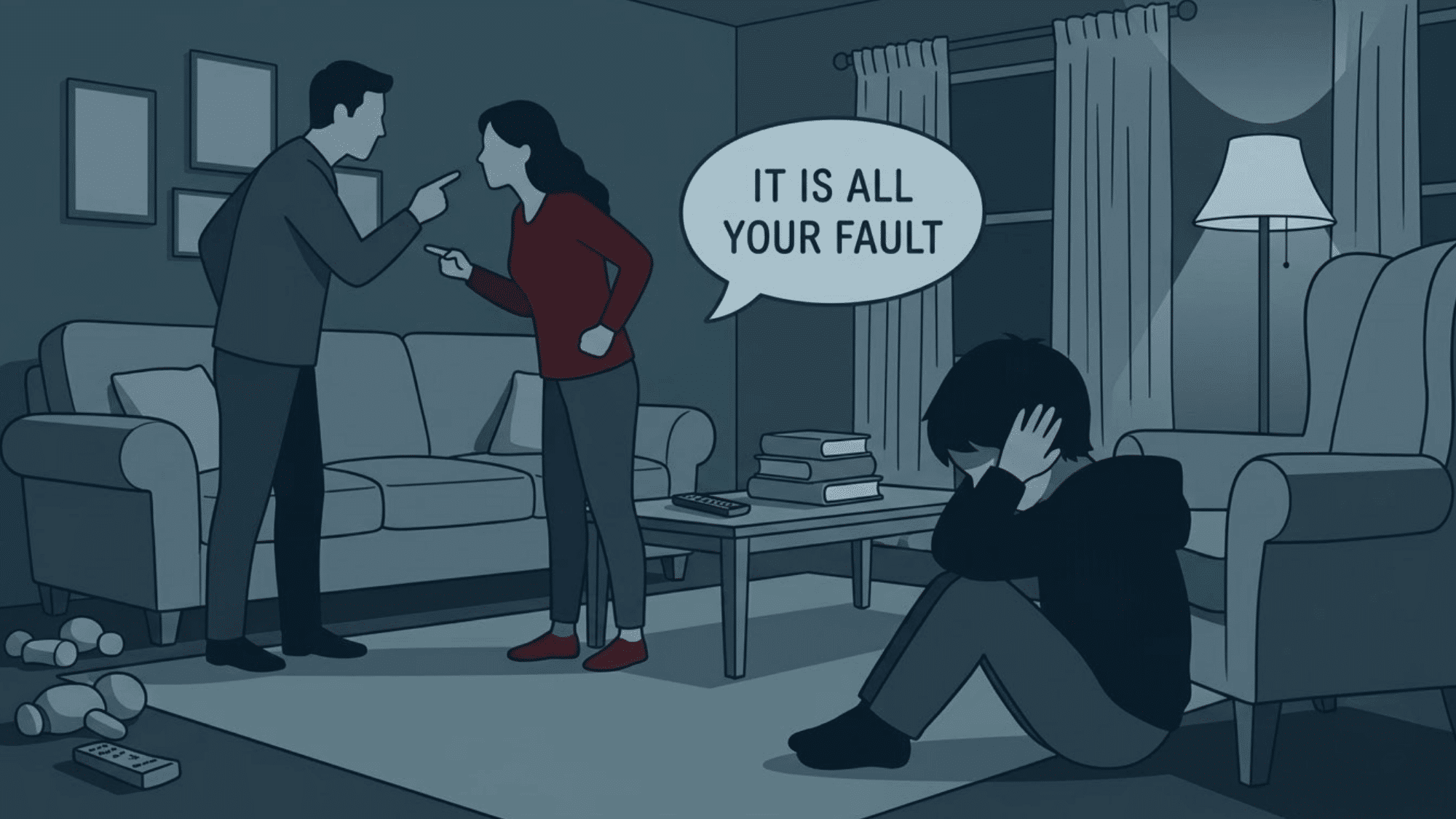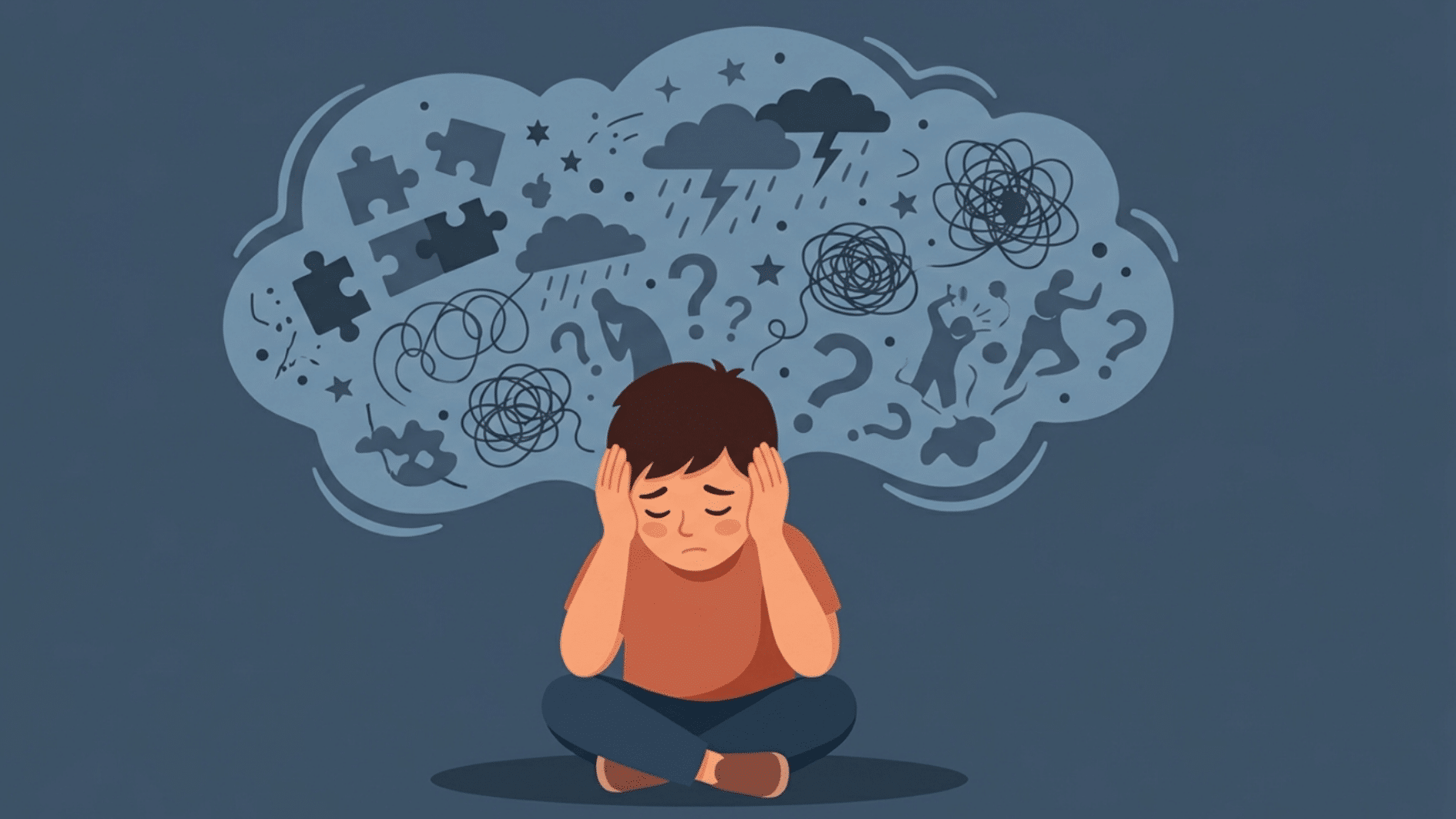
Trauma does not always look dramatic. Sometimes it shows up as restless nights, a short temper, or an urge to avoid anything that brings back a memory you would rather forget.
PTSD is more than bad memories. It changes how you think, feel, and move through the world.
If something has felt off and you cannot quite explain it, this PTSD test is a good place to start.
This self-assessment uses DSM-5 criteria, the framework mental health professionals use to evaluate PTSD. You’ll receive a score, a breakdown of your symptoms by category, and guidance on what your results may mean.
What is PTSD and How Does it Affect People?PTSD is a mental health condition that can develop after experiencing or witnessing a traumatic event. According to the World Health Organization (WHO), an estimated 3.9% of people worldwide have had PTSD at some point in their lives. Yet many people do not recognize it in themselves because its symptoms often look different from expected. In my work studying behavior, cognition, and emotional regulation, I’ve found that PTSD is not defined by a single experience or reaction. It can affect how a person thinks, feels, relates to others, and responds to everyday situations, sometimes long after the traumatic event has passed. |
What are the Main Symptoms of PTSD?
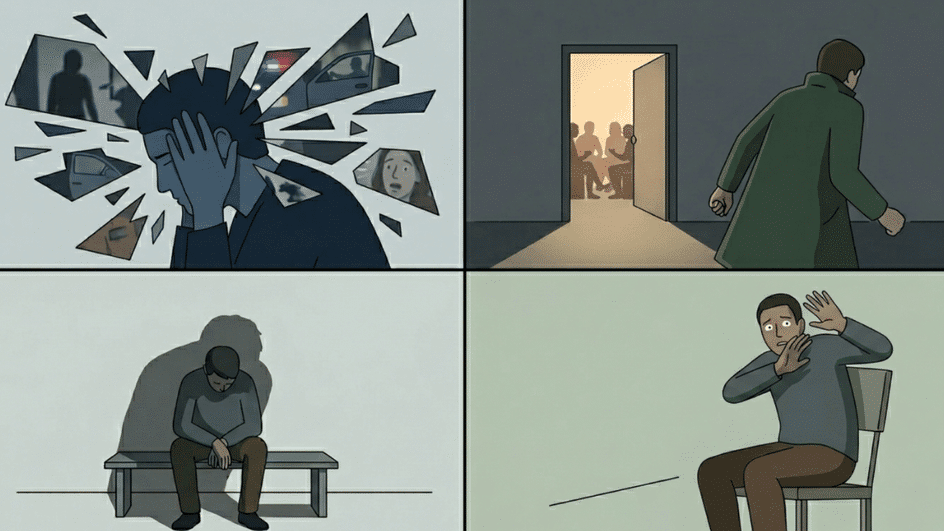
Mental health professionals generally group PTSD symptoms into four main categories:
- Intrusion: Distressing memories, nightmares, or flashbacks that bring the traumatic event back into focus.
- Avoidance: Avoiding thoughts, feelings, people, places, or situations associated with the trauma.
- Negative Changes in Mood and Thinking: Persistent guilt, fear, shame, emotional numbness, or feeling detached from others.
- Hyperarousal and Reactivity: Being easily startled, constantly on guard, irritable, or struggling with sleep and concentration.
How Can Taking This PTSD Test Help?
A structured self-assessment can be useful in a few specific ways.
It gives language to symptoms that may have felt hard to describe. It helps you notice patterns, like sleep issues, irritability, and avoidance, that may not have felt connected before.
And it prepares you for a more focused conversation with a professional, since walking in with specific symptom patterns is more useful than a general sense that something feels off.
This test cannot diagnose PTSD. But it can be the starting point that makes seeking help feel less overwhelming.
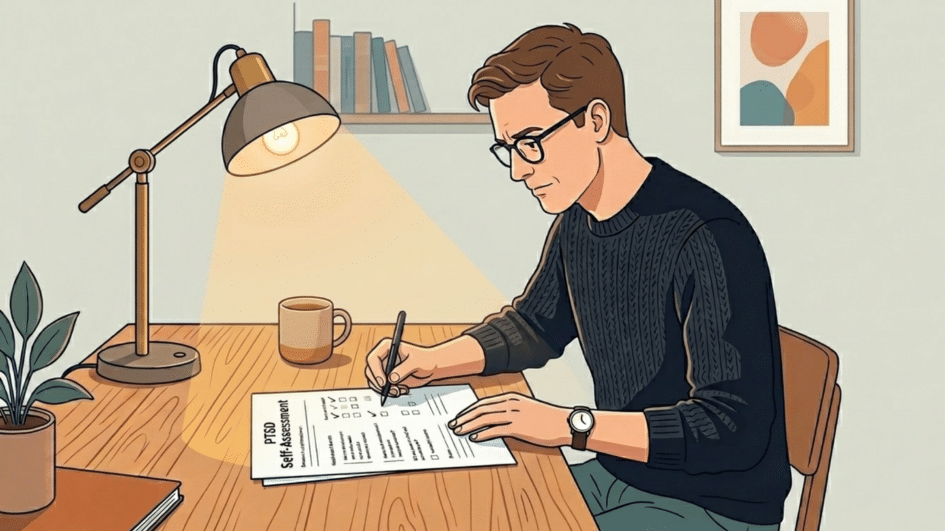
The PTSD Self-Assessment Test
Using the scale below, rate how often each statement has applied to you over the past month following a traumatic or highly distressing experience.
Record your score for each question and keep a running total as you move through the assessment.
Scoring Scale:
0: Not at all
1: A little bit
2: Moderately
3: Quite a bit
4: Extremely
Cluster A: Re-Experiencing (Intrusion) Symptoms
Trauma has a way of refusing to stay in the past. These questions explore whether it keeps breaking into your present.
1. I have had unwanted, repeated memories of a distressing experience surface without warning.
2. I have had disturbing dreams about the experience that left me unsettled upon waking.
3. I have had moments where I felt or acted as though the traumatic experience was happening all over again.
4. I have felt intensely distressed when a sound, smell, place, or date reminded me of what happened.
5. I have had strong physical reactions like a racing heart, sweating, or panic when reminded of the experience.
Cluster B: Avoidance Symptoms
The mind often tries to protect us by steering away from pain. These questions explore whether avoidance has quietly taken over.
6. I have deliberately pushed away thoughts, feelings, or memories connected to the distressing experience.
7. I have avoided people, places, or conversations that might bring back memories of what happened.
8. I have stayed busy or distracted specifically to avoid thinking about the experience.
9. I have struggled to talk about what happened, even with people I trust.
10. I have felt a strong urge to leave or escape situations that feel even remotely similar to what I went through.
Cluster C: Negative Changes in Mood and Thinking
Trauma can quietly reshape how you see yourself and the world around you. These questions explore that shift.
11. I have had difficulty remembering important parts of the traumatic experience, as though the memory feels blocked.
12. I have found myself holding strong negative thoughts like “I am broken,” “No one can be trusted,” or “The world is not safe.”
13. I have persistently blamed myself or others for what happened in ways I cannot reason my way out of.
14. I have lost interest in things I used to enjoy, hobbies, relationships, or routines that once felt meaningful.
15. I have felt emotionally numb, detached from people around me, or unable to experience positive feelings like joy or warmth.
Cluster D: Hyperarousal and Reactivity
When the nervous system has been through a severe event, it does not always receive the message that the danger has passed. These questions explore that.
16. I have been more irritable than usual or had angry outbursts that felt out of proportion to what triggered them.
17. I have felt constantly on guard or watchful, even in environments that should feel safe.
18. I have engaged in reckless or self-destructive behavior such as taking risks with a sense of not caring what happens.
19. I have felt jumpy or easily startled by sudden sounds, movements, or surprises.
20. I have had difficulty concentrating or staying asleep, as I wake frequently or lie awake longer than I should.
How to Evaluate Your Score:
Add up your scores for all 20 questions within each cluster to get four separate cluster totals, then add those four totals together for your overall score.
For example, add your answers to Questions 1 through 5 for your Cluster A total. Do the same for Cluster B (Questions 6 to 10), Cluster C (Questions 11 to 15), and Cluster D (Questions 16 to 20). Each cluster total will fall between 0 and 20.
Cluster A + Cluster B + Cluster C + Cluster D = __ / 80
Keep both your overall score and your four cluster totals handy. In the next section, I will walk you through exactly what they mean, cluster by cluster, and as a whole.
You can click here to download this self-assessment as a free PDF.
What Does Your PTSD Test Score Mean?
You have your numbers, but a number on its own can’t answer the question most people are really asking: do I have PTSD?
In my experience, a score isn’t a label or a diagnosis; it’s one piece of information that can help you better understand what you may be experiencing.
| Total Score | What It May Suggest |
|---|---|
| 0-20 | Minimal or no significant PTSD-related symptoms |
| 21-35 | Mild symptoms with some patterns worth monitoring |
| 36-52 | Moderate symptoms that may be worth discussing with a mental health professional |
| 53-80 | Significant symptoms that should be discussed with a mental health professional |
A higher score does not confirm PTSD, and a lower score does not rule it out. What matters most is the overall pattern of symptoms and how they affect your daily life.
What Your Cluster Scores May Suggest
Your total score tells one part of the story. Your cluster scores often tell a more useful story.
- Re-Experiencing: The past may still be breaking into your present in ways you did not choose and cannot easily control.
- Avoidance: Your world may have quietly narrowed. Avoidance feels protective in the short term but can shrink the life you are able to live.
- Negative Mood and Thinking: Trauma may have reshaped how you see yourself or others — often the quietest shift, and the most important to address.
- Hyperarousal: Your nervous system may still be responding as though danger is present, even when it is not. This is more exhausting than most people realize.
If your scores are raised across most or all four clusters, the pattern you are seeing may point to Complex PTSD rather than PTSD alone. Understanding the difference between the two is worth your time.
PTSD Vs Complex PTSD: What’s the Difference
While PTSD is the most widely recognized trauma-related condition, it is not the only one.
In my work, I’ve found that understanding how PTSD differs from Complex PTSD symptoms can provide valuable context for those trying to make sense of their experiences.
| Aspect | PTSD | Complex PTSD (CPTSD) |
|---|---|---|
| Type of Trauma | Often develops after a single traumatic event or a series of related events. | Usually develops after prolonged, repeated, or ongoing trauma. |
| Common Causes | Accidents, natural disasters, assaults, or military combat. | Ongoing abuse, neglect, domestic violence, trafficking, or captivity. |
| Core Symptoms | Intrusive memories, avoidance, negative changes in mood and thinking, and heightened alertness. | Includes all PTSD symptoms plus difficulties with emotional regulation, self-worth, and relationships. |
| Emotional Impact | May involve flashbacks, nightmares, and feeling constantly on edge. | May also involve persistent shame, self-criticism, and difficulty trusting or connecting with others. |
| Clinical Recognition | Recognized as PTSD in the DSM-5-TR. | Recognized as a distinct condition in the World Health Organization’s ICD-11. |
You Have Your Score: What Comes Next?
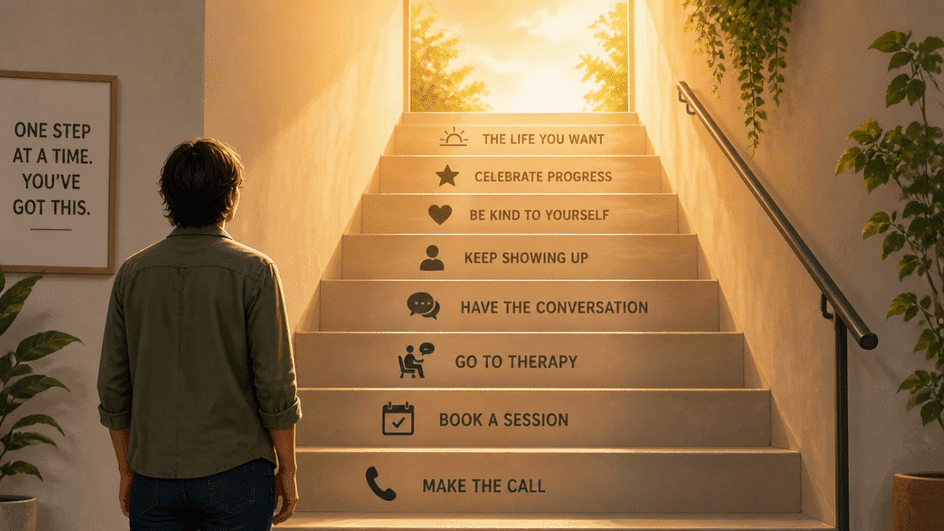
Your score is a starting point. Here is what I recommend doing next.
Begin with someone you already have a relationship with, a primary care doctor, a GP, or a counselor. Share your scores and ask for a referral to a mental health professional with trauma experience.
PTSD is one of the most treatable mental health conditions we have strong evidence for. Three approaches are recognized as first-line treatments by the APA for PTSD:
- CPT: Reframes beliefs that developed as a result of trauma
- Prolonged Exposure: Reduces the hold traumatic memories have over daily life
- EMDR: Helps the brain reprocess distressing memories over time
For full treatment guidelines, visit ptsd.va.gov
PTSD Support Resources and Helplines
If cost or access feels like a barrier, these resources are available to you at no cost:
- SAMHSA National Helpline: 1-800-662-4357, free and confidential, 24 hours a day
- 988 Suicide and Crisis Lifeline: Call or text 988
- Crisis Text Line: Text HOME to 741741
- Community mental health centers: Many therapists offer reduced fees based on a person’s financial situation.
It’s a Wrap
PTSD is a real and recognized medical condition. It is not a sign of weakness.
In years of clinical work, one thing has remained consistent: the people who ask the hardest questions about themselves are often the ones closest to finding their way.
A score does not define you. It is a starting point. Please do not sit with your results alone. Share them with a mental health professional and take it one step at a time.
Recovery is possible. People who once could not imagine feeling better have found their way through, and you can too.