Childhood trauma rarely looks the way people expect. It shows up decades later as anxiety with no clear cause, relationships that repeat the same painful pattern, or a quiet inner voice insisting you are never quite enough.
Most adults carrying these patterns never trace them back to what happened in childhood. They call it stress. They call it personality. They call it just who they are.
But these reactions often have a root cause, and recognizing it is the first step toward change.
This post breaks down the real symptoms of childhood trauma in adulthood, across emotional, behavioral, cognitive, and physical signs, and what actual healing looks like.
What is Childhood Trauma?Childhood trauma is the lasting emotional and psychological impact of frightening, harmful, or deeply distressing experiences a child is unable to fully process or cope with. In reality, trauma can be any event or pattern of events that overwhelms a child’s ability to cope and leaves a lasting impact on their emotional development and sense of safety. Research from the Adverse Childhood Experiences (ACE) Study found a strong connection between childhood adversity and increased risks of physical and mental health challenges later in life, highlighting the long-term impact trauma can have on overall well-being. |
Common Types of Childhood Trauma
Childhood trauma can take different forms depending on the nature and duration of the experience. The most common types include:
- Acute Trauma: A single distressing event, such as an accident, natural disaster, or sudden loss.
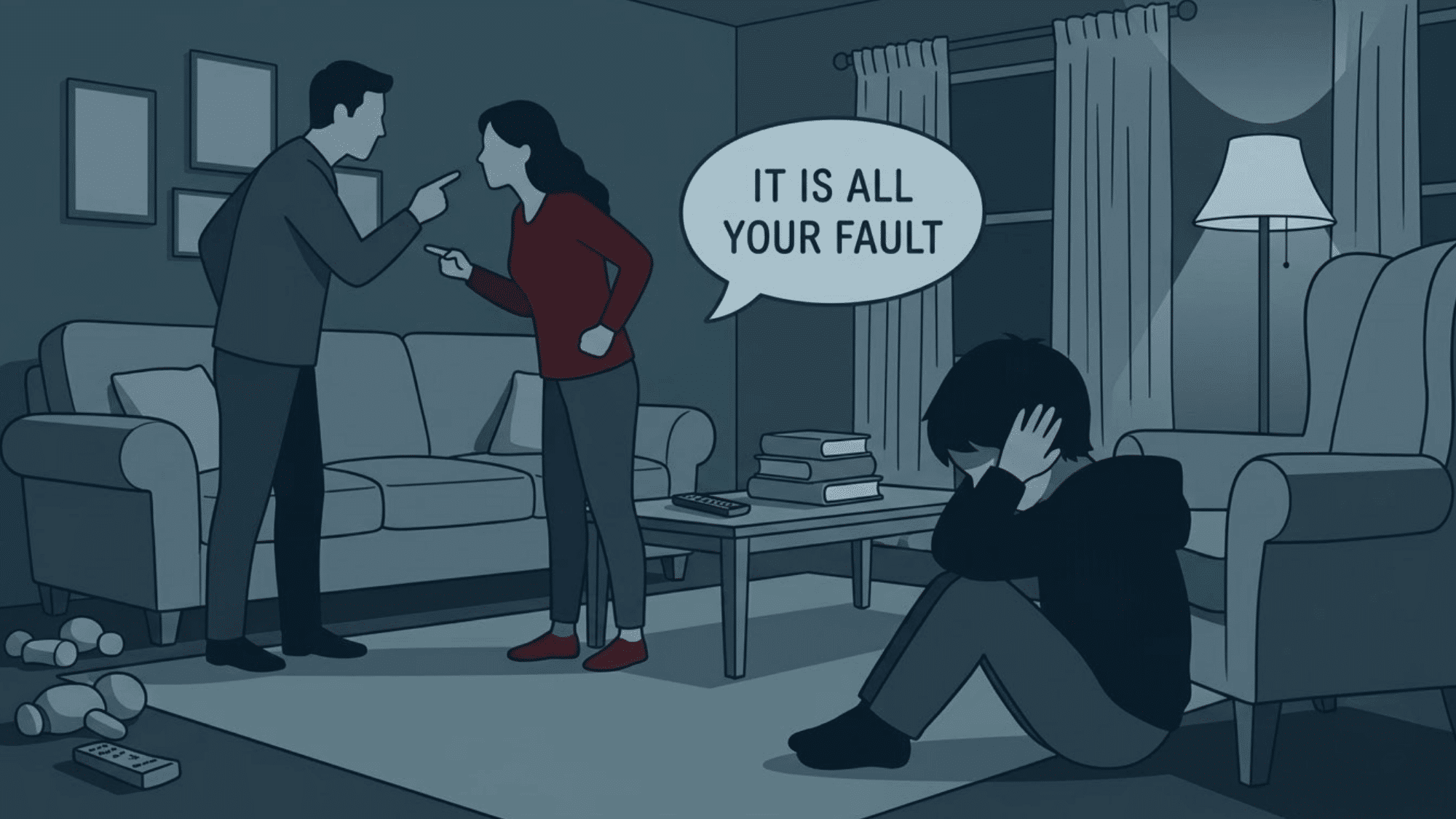
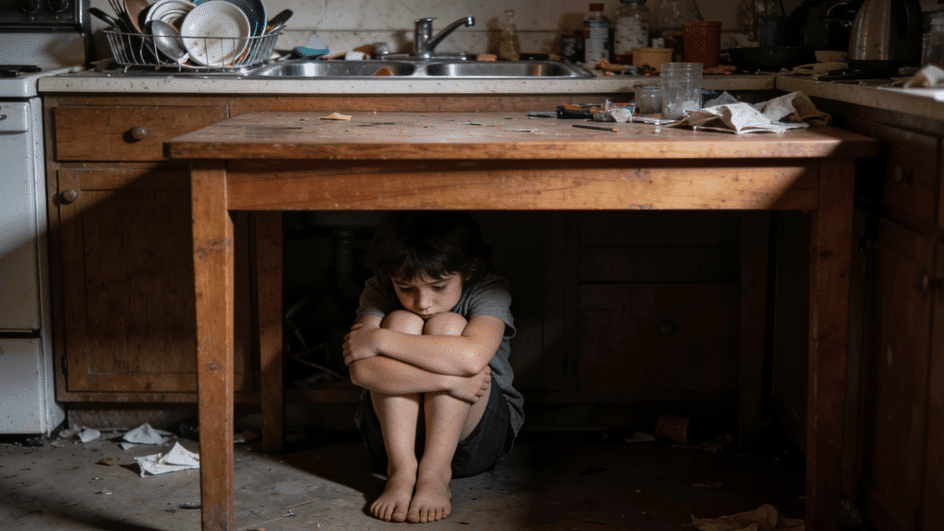
- Chronic Trauma: Ongoing exposure to harmful experiences, such as neglect, abuse, or domestic violence.
- Complex Trauma: Multiple traumatic experiences, often occurring within caregiving relationships.
- Secondary Trauma: Witnessing harm happen to a loved one or being repeatedly exposed to their suffering.
Emotional Symptoms of Childhood Trauma in Adulthood
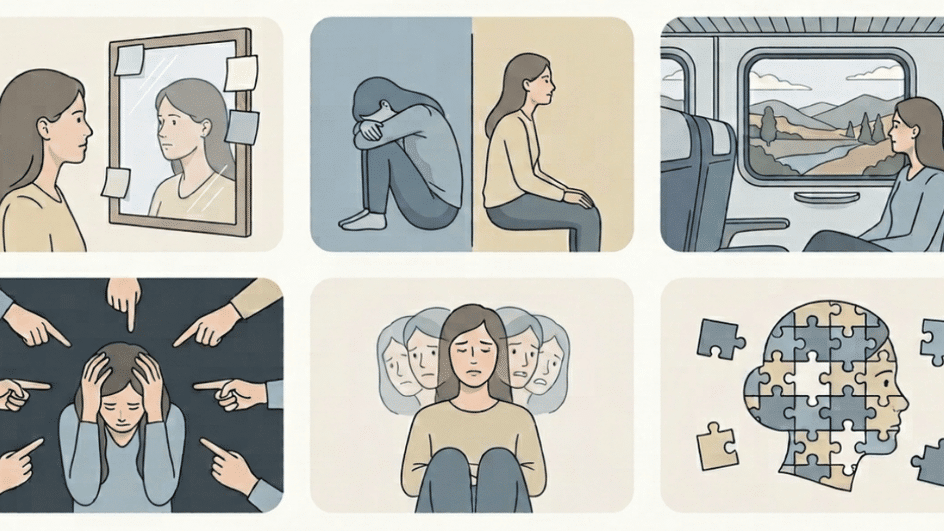
Childhood trauma does not always show up as an obvious emotional struggle. In many adults, its effects appear as persistent emotional patterns that have been present for so long that they feel like part of their personality.
1. Chronic Anxiety, Shame, or Guilt
One pattern I frequently see is chronic anxiety, shame, or guilt being mistaken for character traits.
Anxiety may feel like “just being a worrier,” while shame can look like perfectionism or excessively high standards.
When these emotions persist despite reassurance or evidence to the contrary, they may reflect unresolved childhood experiences rather than an accurate view of oneself.
2. Emotional Dysregulation
In clinical practice, many adults with unresolved childhood trauma describe emotional experiences at opposite extremes.
Some feel overwhelmed by intense emotions that arrive quickly and seem difficult to control. Others feel emotionally numb or disconnected.
Both responses can develop when expressing emotions did not feel safe during childhood.
3. Dissociation
Dissociation involves feeling detached from your thoughts, emotions, surroundings, or even your sense of self.
It may feel like moving through daily life on autopilot, losing track of time, or experiencing a sense of distance from reality.
In many cases, dissociation begins as a protective response to overwhelming stress early in life.
Common Relationship and Behavioral Signs of Childhood Trauma
The effects of childhood trauma often extend beyond emotions, shaping how adults connect with others, respond to stress, and cope with difficult experiences.
| Sign | What It Looks Like |
|---|---|
| Trust and attachment difficulties | Avoiding closeness or needing constant reassurance |
| People-pleasing and conflict avoidance | Struggling to say no or set healthy boundaries |
| Difficulty with emotional intimacy | Feeling unsafe in close relationships |
| Chronic self-blame | Blaming yourself for other people’s actions or emotions |
| Fear of abandonment | Constantly worrying that loved ones will leave |
| Self-sabotage | Pulling away from healthy relationships or opportunities |
| Unhealthy coping behaviors | Using overeating, overworking, isolation, or substances to cope with emotional pain |
How Childhood Trauma Can Affect Thinking Patterns?

These patterns often develop as adaptations to difficult childhood experiences and may continue into adulthood without conscious awareness. You may notice:
1. Negative Core Beliefs
Early adversity can lead to deeply ingrained beliefs such as “I’m not good enough,” “I can’t trust anyone,” or “Good things never last.”
In my experience, these beliefs often feel like facts, even though they are usually learned responses to past experiences rather than objective reality.
2. Hypervigilance and Catastrophic Thinking
Growing up in an unpredictable environment can train the brain to remain alert for potential threats.
As a result, some adults find themselves constantly anticipating problems, overanalyzing situations, or expecting the worst-case outcome.
3. Memory and Concentration Difficulties
The NIH has reported that childhood adversity is associated with changes in brain regions involved in memory, attention, and emotional processing, including the hippocampus and prefrontal cortex.
Some adults experience mental fog, difficulty concentrating, or gaps in childhood memories, particularly during periods of stress.
Can Childhood Trauma Cause Physical Symptoms in Adults?
Yes. According to research published by the NIH, adverse childhood experiences (ACEs) are associated with an increased risk of heart disease in adulthood, but the mechanisms underlying these associations are unclear.
Many adults also experience symptoms of a nervous system that remains on high alert.
Sleep difficulties, chronic muscle tension, headaches, and jaw clenching are common signs that the body is struggling to fully relax, even in safe environments.
In some cases, childhood trauma can contribute to trauma-related conditions such as PTSD or Complex PTSD (C-PTSD).
According to the World Health Organization, C-PTSD is often associated with prolonged or repeated trauma and can affect emotional regulation, self-image, and relationships.
Healing From Childhood Trauma: What Actually Helps
Recovery from childhood trauma is possible. Healing is not about forgetting the past. It is about reducing its influence on your emotions, relationships, and daily life.
Several evidence-based approaches have been shown to help:
- Trauma-Focused CBT: Addresses trauma-related thought and behavior patterns.
- Somatic therapies: Focus on regulating the body’s stress response.
- Internal Family Systems (IFS): Can be particularly helpful for individuals experiencing the effects of complex trauma.
And if you are experiencing thoughts of self-harm or are in crisis, seek immediate support from a mental health professional or crisis helpline in your area. You can call or text 988 to reach the Suicide and Crisis Lifeline.
Beyond Therapy: Daily Habits That Heal
Professional treatment lays the groundwork, but healing also happens in small, everyday choices. These habits will not replace therapy, but they can build self-awareness and resilience alongside it.
- Journal Regularly: Writing down what you felt before and after a difficult moment helps reveal patterns that are hard to spot in the moment.
- Practice Grounding Techniques: Simple methods, like naming five things you can see or slow breathing, help calm the nervous system when old trauma responses surface.
- Build One Safe Relationship: Trauma often teaches people to hide their feelings. Even one relationship where you can be honest helps rebuild trust in connection.
- Keep Consistent Routines: Predictable sleep, meals, and movement create a sense of stability.
- Watch Your Self-Talk: Notice harsh inner criticism and gently challenge it instead of accepting it as fact.
Conclusion
The symptoms of childhood trauma in adulthood are not character flaws. They are adaptations built by a child who needed them to survive. Recognizing that is usually where the real work begins.
Every person carries a different history, and the path forward looks different for each one. There is no single timeline and no universal approach to healing.
The right therapeutic fit and an evidence-based approach make a real difference. Professional support is not a last resort. For many, it is the turning point.
Frequently Asked Questions
Is It ADHD or Child Traumatic Stress?
Both can look alike, leading to restlessness, difficulty focusing, and disorganization. Telling them apart needs a full evaluation from a trained professional.
What are The 5 Biggest Childhood Traumas?
Based on the CDC-Kaiser ACE Study, the five most common types are physical abuse, emotional abuse, sexual abuse, physical neglect, and emotional neglect.
What is The Most Severe Form of Childhood Trauma?
Witnessing the death, suicide, or murder of another person is among the most damaging experiences for a child, often causing fear, nightmares, and depression.
How Do People With Childhood Trauma Behave?
They often show pain through behavior rather than words, such as acting younger than their age, sudden anger, or constant alertness. These signs can resemble ADHD or depression.