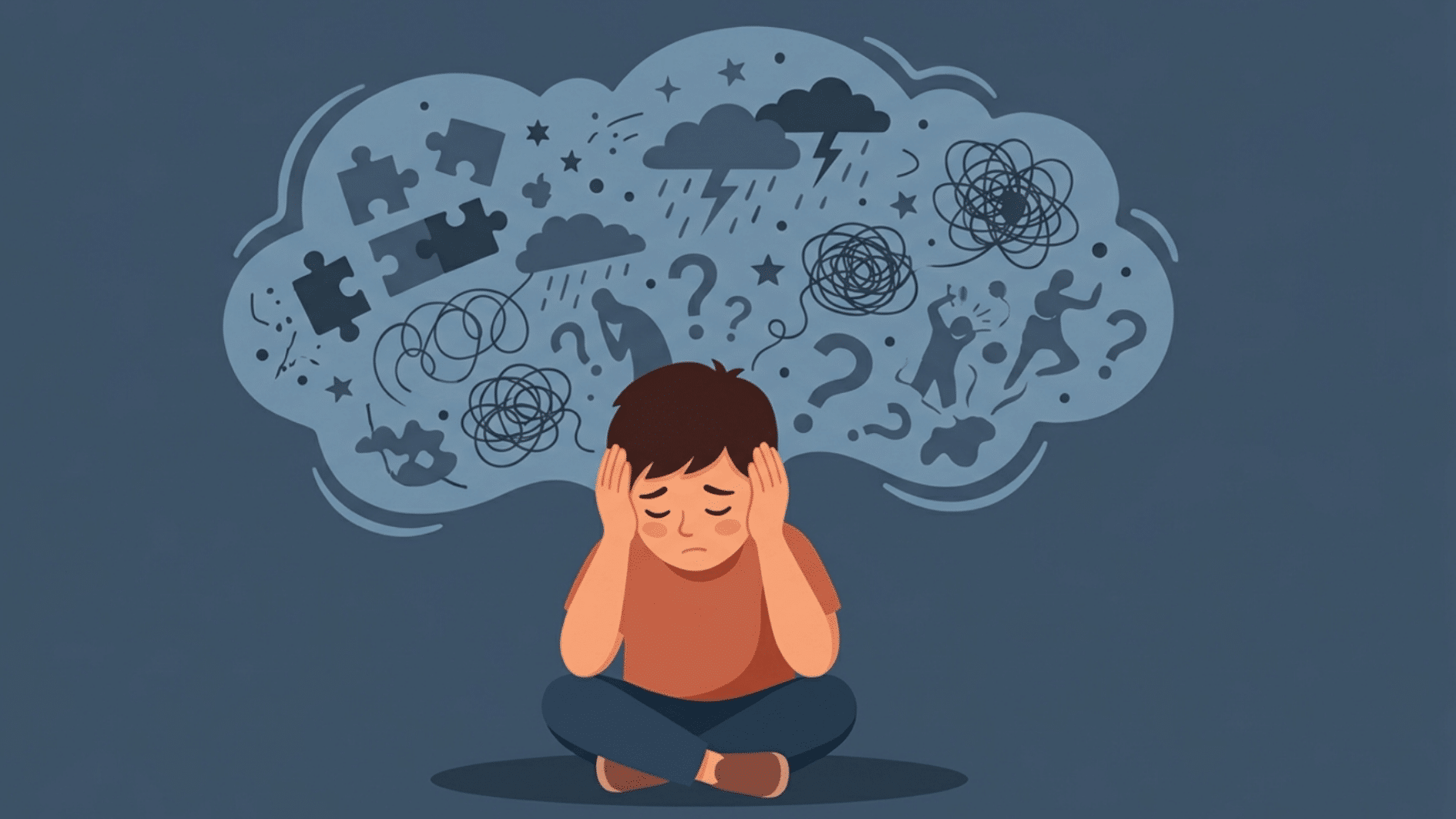

Childhood trauma can leave a person feeling like they are reacting from an old wound, even when life looks different now.
For many adults, healing starts when they stop blaming themselves and begin seeing their patterns with more honesty and care.
In this blog, I will explain how to heal from childhood trauma, learn practical, research-supported strategies, and discuss how adults can move forward with greater self-understanding and compassion.
Disclaimer: This blog is for educational purposes only and is not a substitute for professional mental health care, diagnosis, or personalized treatment recommendations.
What is Childhood Trauma?
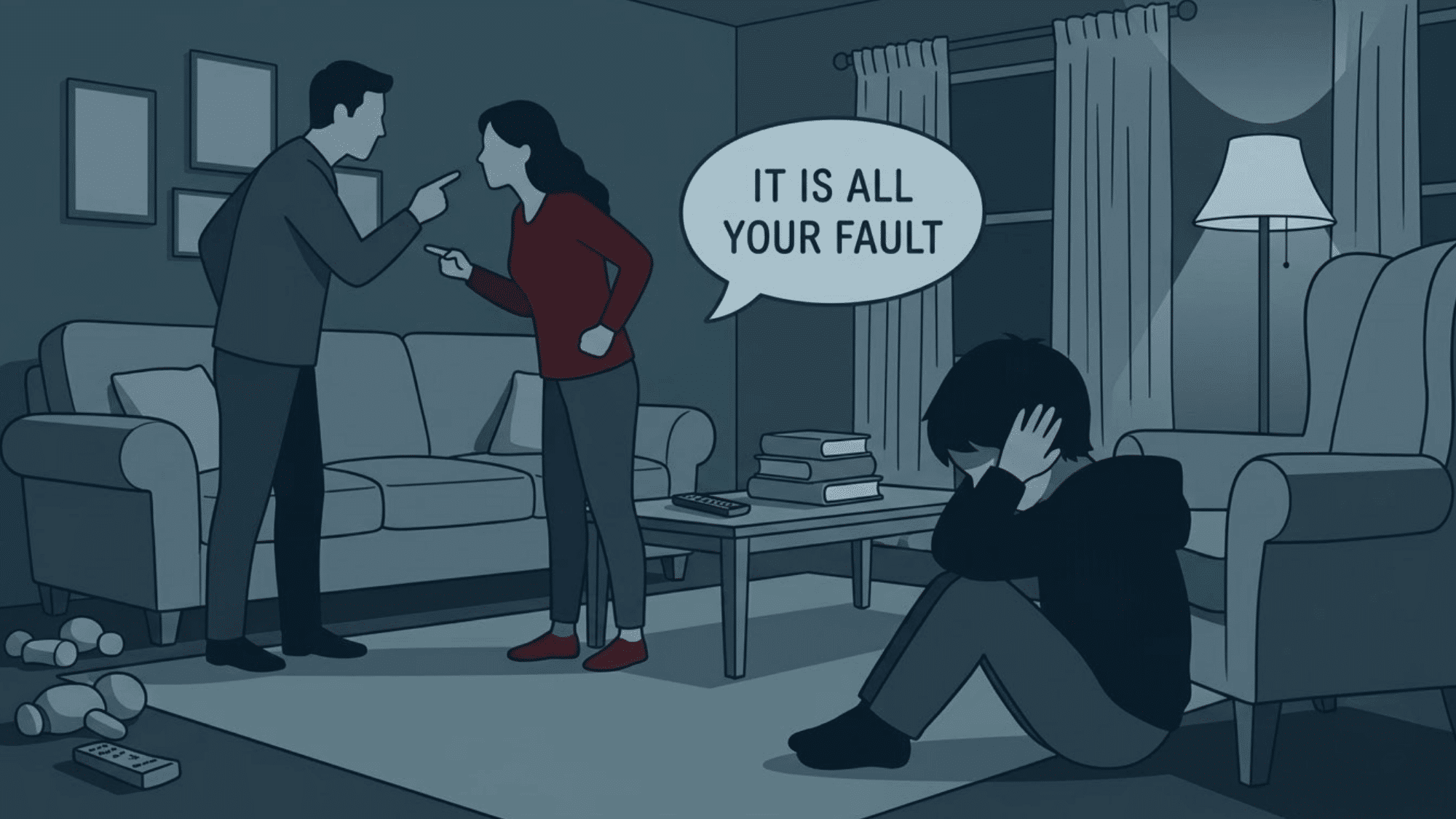
Childhood trauma is more than a difficult memory. It refers to experiences that overwhelm a child’s ability to cope and may leave lasting emotional, psychological, or physical effects.
Not every painful childhood experience becomes traumatic. The impact often depends on the child’s age, the intensity of the experience, and the support available afterward.
Childhood trauma can include abuse, neglect, domestic violence, caregiver loss, family substance misuse or mental illness, chronic bullying, community violence, or frightening medical experiences.
The CDC describes adverse childhood experiences, or ACEs, as potentially traumatic events that happen before age 18, including abuse, neglect, violence, and household challenges that affect safety and stability.
Types of Childhood Trauma
Childhood trauma isn’t one single thing, it shows up differently depending on how often it happened and how long it lasted, which is part of why two people can describe “trauma” and mean very different experiences.
| Type | What It Looks Like | Example |
|---|---|---|
| Acute Trauma | A single, isolated event that overwhelms a child’s ability to cope | A car accident, a natural disaster, witnessing a violent incident once |
| Chronic Trauma | Repeated or prolonged exposure to the same type of distressing event | Ongoing physical abuse, recurring bullying, living with a parent’s untreated addiction |
| Complex Trauma | Exposure to multiple, varied traumatic events, often within close relationships and over an extended period | A combination of neglect, emotional abuse, and instability from a caregiver across childhood |
How to Heal from Childhood Trauma?

Healing rarely follows a straight line. Progress often comes through many small, consistent steps rather than one dramatic breakthrough.
1. Acknowledge Your Experiences without Minimizing Them
The American Psychological Association emphasizes that recognizing trauma is often an important first step toward healing.
Many adults minimize what happened because others “had it worse,” but pain does not need comparison before it deserves care. Journaling can also help you notice memories, emotions, and patterns.
2. Understand Your Emotional Triggers
Trauma reminders can activate fear, shame, anger, or panic even when the present situation is not actually dangerous. The goal is not to judge your triggers, but to notice them.
Pay attention to recurring situations such as conflict, criticism, or sudden shifts in tone. Body signals like a tight chest, racing heart, or frozen feeling can appear before strong emotions, so tracking them can help.
3. Learn Healthy Emotional Regulation Skills
The NIMH notes that trauma responses can include fear, avoidance, mood changes, sleep problems, and feeling constantly on guard.
Emotional regulation is not about ignoring difficult feelings, but learning ways to calm your mind and body.
Grounding, slow breathing, mindfulness, muscle relaxation, and sensory tools can help bring you back to the present moment.
4. Challenge Unhelpful Beliefs
Childhood trauma can create beliefs that feel true because they were repeated during painful experiences. Healing often means questioning those beliefs and replacing them with more balanced thoughts.
Notice thoughts like “I am not enough” or “Everything is my fault,” then ask whether they come from the present or the past.
Instead of forced positivity, choose realistic thoughts you can repeat steadily until healthier patterns become more familiar.
5. Build Healthier Relationships
The CDC notes that supportive relationships can reduce the long-term impact of adverse childhood experiences.
Start with small boundaries, notice whether someone’s actions match their words, and spend more time with people who respect your pace.
Healthy relationships also include repair, which means conflict can happen with accountability, respect, and care.
6. Prioritize Physical Well-Being
Childhood trauma can affect the body’s stress response, sleep, energy, and ability to relax. Physical care does not erase trauma, but it can make emotional recovery more manageable.
Protect your sleep, eat regularly, move gently, and take symptoms like headaches, fatigue, or digestive issues seriously.
7. Consider Trauma-Informed Therapy
Trauma-informed care emphasizes safety, trust, choice, collaboration, and empowerment.
Therapy does not have to mean sharing everything at once. A good therapist moves at a pace that feels safe. CBT, Trauma-Focused CBT, EMDR, Internal Family Systems, and somatic therapies may help.
Self-Help Approaches for Healing Childhood Trauma

While self-help is not a replacement for therapy, everyday practices can strengthen and help reinforcethe progress you make.
- Journal Your Thoughts: Writing helps you process emotions and recognize recurring patterns.
- Challenge Negative Beliefs: Replace harsh self-criticism with more balanced, compassionate thinking.
- Set Healthy Boundaries: Start saying no without feeling responsible for others’ reactions.
- Create Supportive Routines: Regular sleep, movement, and meals help build emotional stability.
- Reconnect with Your Inner Child: Offer yourself the kindness, safety, and validation you once needed.
- Build Safe Relationships: Spend time with people who respect your boundaries and support your growth.
- Celebrate Small Progress: Healing takes time, so recognize every step forward, no matter how small.
- Practice Grounding Techniques: Use breathing or mindfulness to calm your body in response to emotional triggers.
When to Seek Professional Support?
If childhood trauma continues to affect your emotions, relationships, or everyday life despite your efforts, professional support can help. These signs may indicate it’s time to reach out for additional care.
- Persistent Anxiety or Depression: Ongoing emotional distress is making daily life harder to manage.
- Flashbacks or Intrusive Memories: Past experiences keep resurfacing and feel difficult to control.
- Overwhelming Emotions: Fear, anger, shame, or sadness feel intense and hard to regulate.
- Relationship Struggles: Trust, boundaries, or fear of abandonment repeatedly affect close relationships.
- Unhealthy Coping Habits: You rely on alcohol, drugs, self-harm, or other harmful behaviors to cope.
- Feeling Numb or Disconnected: You often feel detached from yourself, your emotions, or the people around you.
- Thoughts of Self-Harm or Suicide: Seek immediate professional or emergency support if your safety is at risk.
Note: Start by speaking with your doctor or a licensed mental health professional who specializes in trauma. You can also look for local counseling centers, crisis helplines, or trusted mental health organizations.
Wrapping it Up
Learning how to heal from childhood trauma is often a gradual process that combines self-awareness, healthy coping strategies, supportive relationships, and, when appropriate, professional guidance.
Over time, many people discover greater confidence, healthier relationships, and a stronger sense of self. Progress may be gradual, but each step can help build a more fulfilling future.
Although healing childhood trauma does not erase the past, it can help people build healthier relationships with themselves and others that are no longer defined by earlier experiences.
Frequently Asked Questions
Which Therapies Have Strong Evidence for Trauma?
Common evidence-based approaches include Cognitive Behavioral Therapy, Trauma-Focused CBT, EMDR, and other trauma-informed therapies.
Can Childhood Trauma Make Someone Feel Older or More Responsible Too Early?
Yes. Some children become overly responsible because they had to manage emotions, conflict, or safety before they were ready.
Can Childhood Trauma Affect Adults Even if They Don’t Remember Everything?
Yes. Some people do not remember every detail of early trauma, especially if it happened during very young years or during ongoing stress.
Can Childhood Trauma Affect Career Choices?
Yes. It may influence perfectionism, fear of failure, people-pleasing, conflict avoidance, or the choice of high-pressure roles.