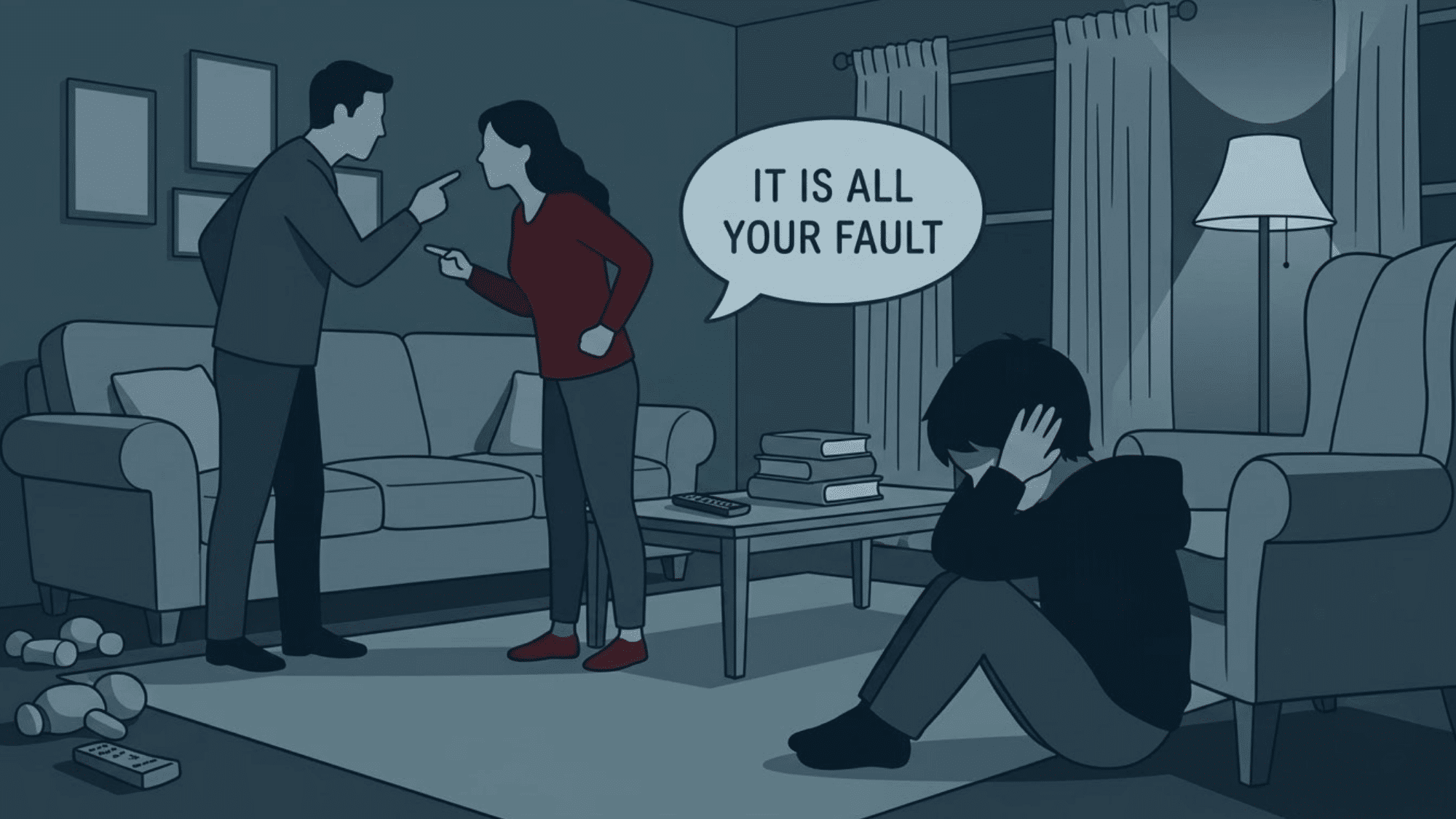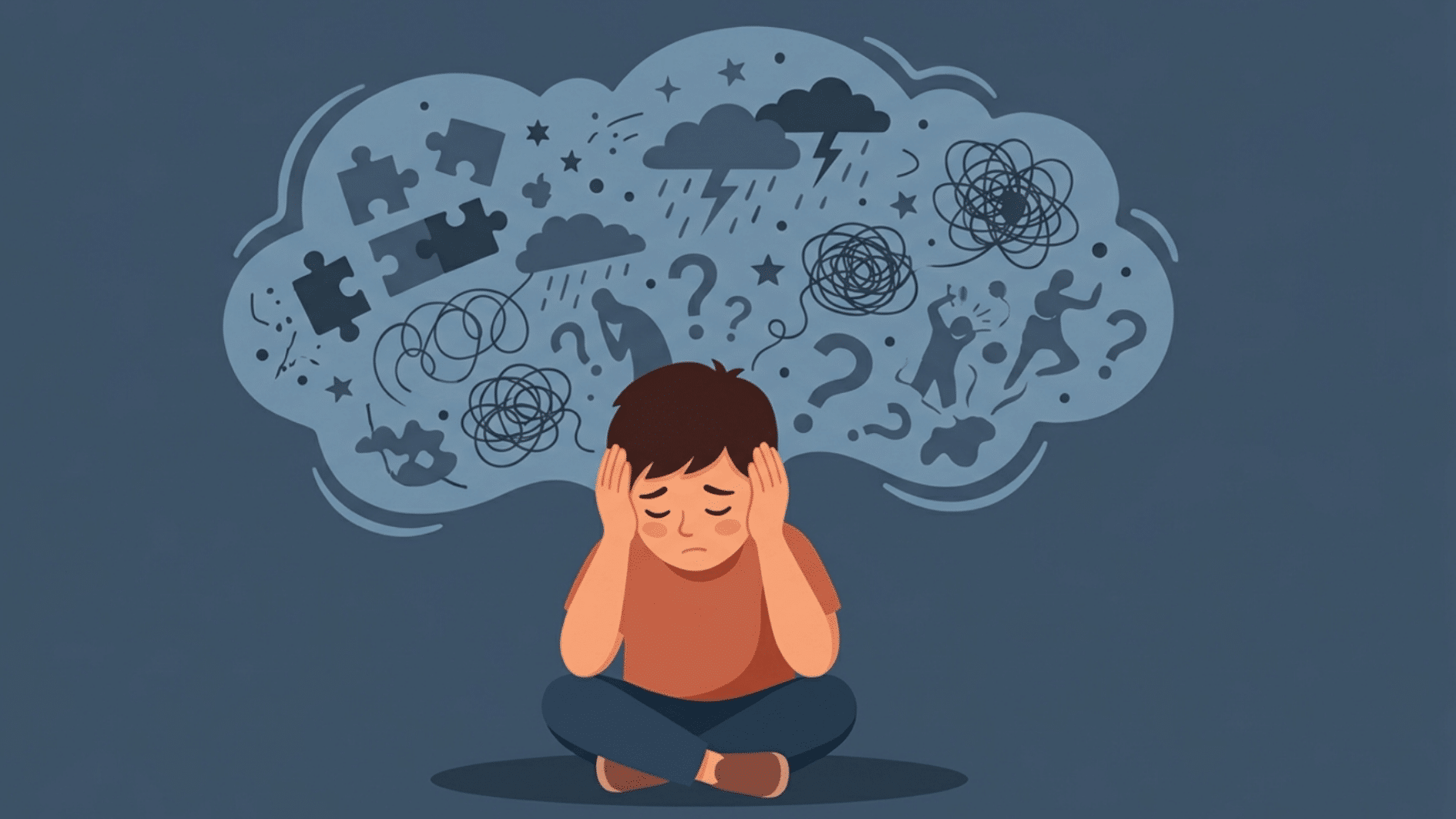

Most people assume trauma lives only in the mind.
After years of working with patients, what has become clear to me is that the body holds on to it, too, and, with the right conditions, it knows how to let go.
Healing rarely announces itself. It shows up in small, quiet shifts. A deeper breath. Improved digestion. A night of actual rest. These signs are easy to miss if you don’t know what to look for.
This blog walks through the signs your body is releasing trauma and what nervous system recovery looks like.
How Does Trauma Get Stuck in the Body?
Releasing trauma isn’t instant; it’s the nervous system slowly learning it’s safe to let go of what it’s held onto, sometimes for years. That’s because trauma rarely stays in memory alone.
The brain’s survival response floods the body with stress hormones, tightens muscles, and quickens breathing and heart rate.
The mind moves on; the body often doesn’t. It stays on alert long after the danger has passed, a pattern clinicians see often and one that surprises most people experiencing it.
Research backs this: trauma can leave the nervous system dysregulated, keeping survivors hypersensitive well after the threat is gone.
The Nervous System’s Path to Letting Go: The nervous system moves between states of safety, danger, and shutdown, and rebuilding a felt sense of safety is central to that shift. In practice, that shift is gradual and quiet. But it is real progress.
Signs Your Body is Releasing Trauma

Not every sign of healing feels positive at first. Some show up quietly. Others can be confusing or even uncomfortable.
Patients often miss these signs entirely because they do not match what they expected healing to look like. Here are eight signs worth paying attention to.
1. Emotions Surface Instead of Staying Buried
Many people spend years suppressing emotions as a way to cope with trauma. As the nervous system begins to feel safer, those emotions may gradually resurface.
Although it can feel unsettling, this is often a sign that the mind and body can finally process what was once too overwhelming.
2. Physical Tension Begins to Soften
Chronic trauma keeps muscles in a near-constant state of bracing. Tight shoulders, a clenched jaw, and persistent back pain are common physical expressions of stored stress.
As healing progresses, patients often notice this tension softening without consciously trying to relax. The body is no longer preparing for a threat that is not there.
3. Crying Feels Like Relief Instead of Losing Control
This is one of the most meaningful shifts to observe clinically.
Crying stops feeling like a loss of control and starts feeling like relief. For many people, it becomes a healthy way to process difficult emotions and helps the nervous system gradually return to a calmer, more regulated state.
4. Feeling Tired Before Your Energy Comes Back
Fatigue during early healing is common and frequently misread as regression.
What is actually happening is that the body is redirecting energy away from constant threat monitoring toward repair. This tiredness deserves rest, not resistance.
5. Sleep Becomes More Healing
Sleep disturbance is one of the most consistent features of trauma. As the nervous system settles, sleep quality tends to improve. Falling asleep feels easier. Waking through the night becomes less frequent.
This is one of the clearest indicators that the autonomic nervous system is moving toward regulation.
Dreams can also become more vivid or intense during this stage, occasionally touching on the original trauma, as the brain processes what it couldn’t process while awake during REM sleep.
6. Digestive Symptoms Begin to Ease
The gut and the nervous system are in constant communication via the vagus nerve. Chronic stress disrupts digestion in measurable ways.
As the body releases trauma, many patients report that long-standing digestive symptoms begin to ease. This reflects a genuine shift in the nervous system’s state, not a coincidence.
7. Shaking, Trembling, or Frequent Sighing Appears
These responses often alarm people, but they are worth understanding. Trembling and sighing are neurological discharge mechanisms.
The body uses these responses to release stored activation that it was unable to complete at the time of the original trauma.
In a safe context, they are generally a healthy sign.
8. A Sense of Safety in The Body Returns
This is perhaps the most significant sign of all. Trauma creates a profound sense of disconnection from the body. As healing progresses, that relationship begins to shift.
There is a growing sense of presence, of being able to inhabit the body without fear.
This reflects deep nervous system change, and in my clinical experience, it is one of the most quietly transformative parts of recovery.
Signs Your Nervous System is Healing
Releasing trauma and regulating the nervous system are related but different. What changes here is not how the body feels during release, but how it responds over time.
- Recovery from Stress Happens Faster: A single difficult moment no longer consumes the rest of the day. That narrowing recovery window is one of the most reliable indicators of genuine nervous system regulation.
- Survival Responses Become Less Automatic: More space opens between the stimulus and the reaction. In that space, choice becomes possible again.
- The Background Sense of Threat Begins to Quiet: Ordinary environments start to feel genuinely safe. That shift changes everything about how daily life feels.
- Stillness Stops Feeling Dangerous: When a person can settle into calm without the internal alarm being activated, the nervous system no longer reads safety as a threat.
What Can Help Your Body and Mind Heal?

Knowing the signs of healing is one part. Understanding what supports the process is another. Here is what consistently shows up as helpful, both in the research and in the room with patients.
1. Trauma-Informed Therapy
Not all therapy treats trauma the same way. EMDR, somatic experiencing, and trauma-focused CBT work with the nervous system directly, not just the story a person tells about what happened.
In clinical work, that distinction changes outcomes. A therapist who understands how trauma lives in the body, not just in memory, is worth seeking out.
2. Gentle Movement and Body-Based Practices
The body holds trauma and needs to be part of releasing it. Gentle yoga, breathwork, and somatic practices help regulate the nervous system in ways that seated therapy sometimes cannot reach.
Starting gently is important, as intense exercise may feel overstimulating for some people.
3. Daily Habits that Support Recovery
What happens between therapy sessions matters just as much as the sessions themselves. Consistent sleep, stable nutrition, and reduced alcohol are not peripheral concerns.
They are the foundation on which deeper nervous system regulation becomes possible.
4. Healing Looks Different for Everyone
There is no universal timeline and no standard sequence. Trauma histories differ. Nervous systems differ.
What works for one person may not work for another, and that is not failure. The goal is not to match someone else’s healing.
It is to recognize what is shifting in your own experience and meet it with patience.
The Bottom Line
Healing from trauma is not something that happens all at once. It builds over time.
The signs in this blog are not a checklist. They are a framework for making sense of an experience that often feels confusing from the inside.
In my clinical work, I have observed that patients who struggle most are frequently those who mistook progress for regression simply because they did not know what healing was supposed to look like.
If even one of these signs feels familiar, that is worth acknowledging. The body is moving. The nervous system is finding its way back to safety.
Frequently Asked Questions
Can Children Show Signs of Trauma Release Differently from Adults?
Yes. In clinical practice, children often express trauma release through play, behavioral shifts, or physical complaints rather than emotional language. The underlying nervous system process is similar, but the signs look different.
Does Trauma Release Always Require Revisiting the Original Event?
Not necessarily. Many effective trauma-informed approaches work at the level of the nervous system rather than the narrative. The body can begin to regulate without the person needing to recount every detail of what happened.
Can Trauma Return After it Has Been Released?
Stress, life transitions, or new triggering events can temporarily reactivate old patterns. This is not a sign that healing was lost. It is the nervous system responding to a new demand.