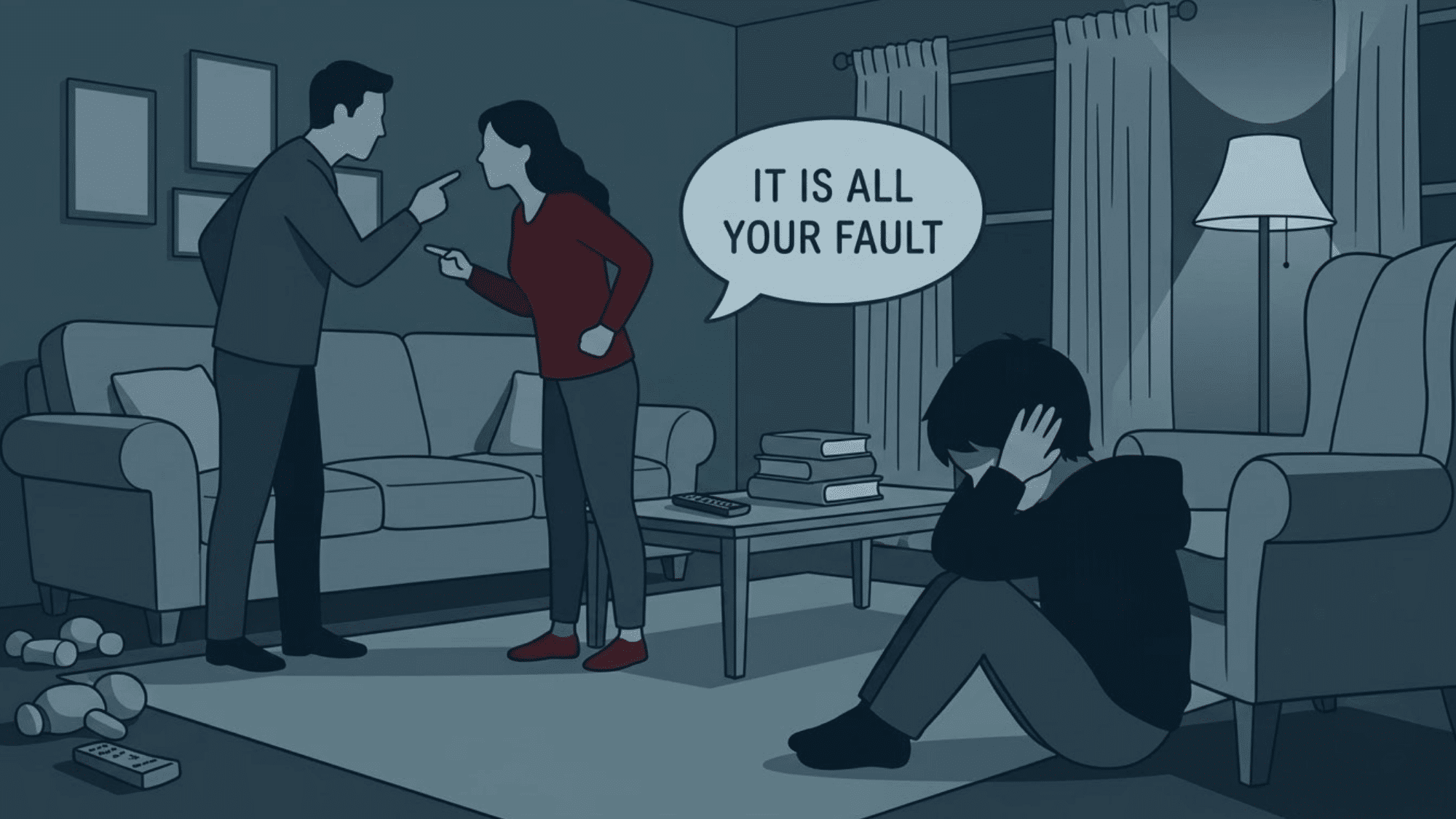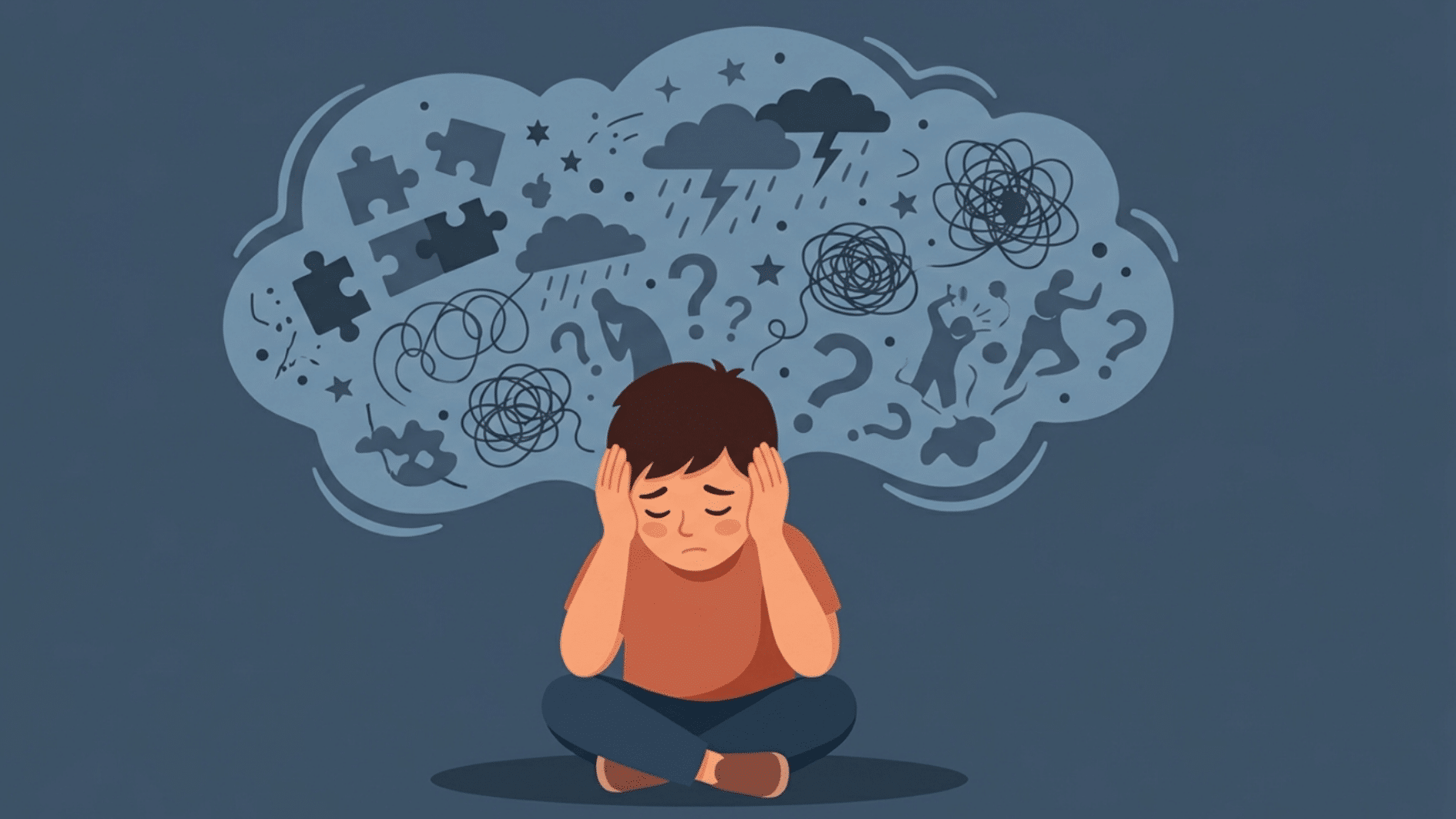

A trauma bond can feel confusing because the relationship may include both painful experiences and moments of closeness.
That combination can leave someone questioning their feelings, defending harmful behavior, or feeling deeply attached to a person who causes emotional distress.
In this blog, I will explain the concept in simple terms, explore how it develops, and discuss how it differs from healthy love and attachment.
“Out of your vulnerabilities will come your strength” — Sigmund Freud
What’s a Trauma Bond?Many people assume a trauma bond means two people are connected because they experienced hardship together. In reality, the concept refers to something very different and often much more complicated. A trauma bond is a strong emotional attachment that develops through repeated cycles of mistreatment followed by periods of kindness, affection, or relief. The trauma bond’s meaning is often best understood as an attachment strengthened by emotional highs and lows rather than consistent care and safety. When hurt is followed by apologies, affection, promises, or temporary change, the brain may begin to associate relief with the same person who caused the distress. |
Key Signs of a Trauma Bond
A trauma bond can be difficult to recognize. These mixed signals can make the relationship feel confusing, intense, and emotionally hard to step away from.
- Emotional attachment despite harm: The person remains deeply connected to someone who repeatedly causes emotional, psychological, or physical pain.
- Repeated cycles of conflict and reconciliation: Hurtful behavior is often followed by apologies, affection, or promises of change, creating a recurring pattern.
- Periods of affection mixed with fear or distress: Moments of warmth and closeness are intertwined with anxiety, uncertainty, or emotional suffering.
- Difficulty leaving despite recognizing unhealthy behavior: Even when the relationship is clearly harmful, the emotional bond can make separation feel overwhelming or impossible.
- Strong feelings of loyalty, hope, or responsibility: The person may continue believing things will improve, feel responsible for fixing the relationship, or remain committed despite ongoing harm.
And Yes, Trauma Bonds are Not Just About Romance!
Trauma bonds are often discussed in dating or marriage, but they can happen in other relationships, too. The key pattern is not romance.
It is a mix of dependency, power imbalance, and moments of relief.
This can happen in parent-child relationships, caregiving situations, workplaces, high-control groups, or certain family dynamics.
For example, someone may stay attached when care or praise comes from the same person who also creates fear, criticism, or control.
That mix can make the relationship feel confusing. The person may know something feels wrong, but still feel loyal, responsible, or emotionally tied to the relationship.
How Does a Trauma Bond Develop?
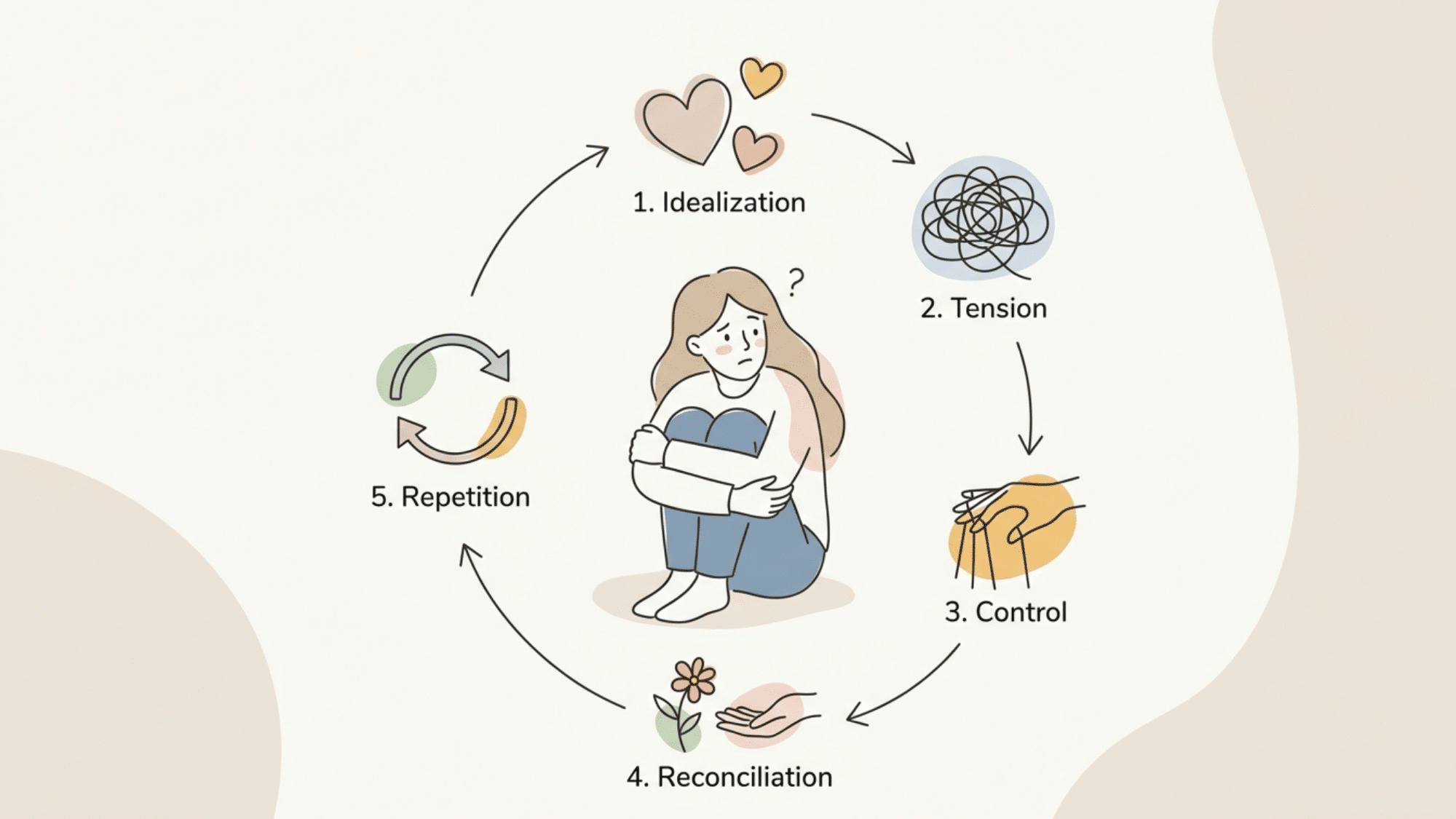
Most trauma bonds do not appear overnight. They often develop gradually through repeated experiences that create emotional dependency and confusion.
1. Idealization
A trauma bond often begins with a period of intense connection. The relationship may feel exciting, supportive, or emotionally fulfilling in ways the person has not experienced before.
The other person may offer constant attention, affection, compliments, or reassurance. This can create a strong sense of trust and emotional closeness early on.
2. Growing Tension
As the relationship progresses, subtle changes may begin to appear. Communication may become less consistent, criticism may increase, or emotional withdrawal may begin.
The person may notice that they are becoming more cautious about what they say or do. They may start trying to avoid disagreements or situations that could trigger conflict.
3. Harm or Control
At this stage, unhealthy behaviors often become more noticeable. These may include manipulation, blame-shifting, intimidation, excessive jealousy, emotional abuse, or attempts to control decisions.
The person experiencing the behavior may begin to question their own judgment or feel responsible for keeping the peace.
They might spend significant time trying to prevent conflict, explain themselves, or meet changing expectations.
4. Reconciliation
After a period of conflict or harm, the relationship may enter a phase of reconciliation. The person who caused the distress may apologize, express remorse, make promises, or become affectionate again.
The person may focus on the kindness, affection, or potential they see in the relationship rather than the harm that occurred.
Because the emotional relief feels so powerful after a difficult period, the bond may actually become stronger.
5. Repetition
Unfortunately, the cycle often does not end with reconciliation. The same patterns may begin to recur. Periods of closeness are followed by tension, harm, apology, and renewed hope.
As this cycle continues, the emotional attachment can become increasingly difficult to break. The person may hold on to memories of the good times and continue waiting for those moments to return.
Trauma Bond Vs Healthy Attachment or Love
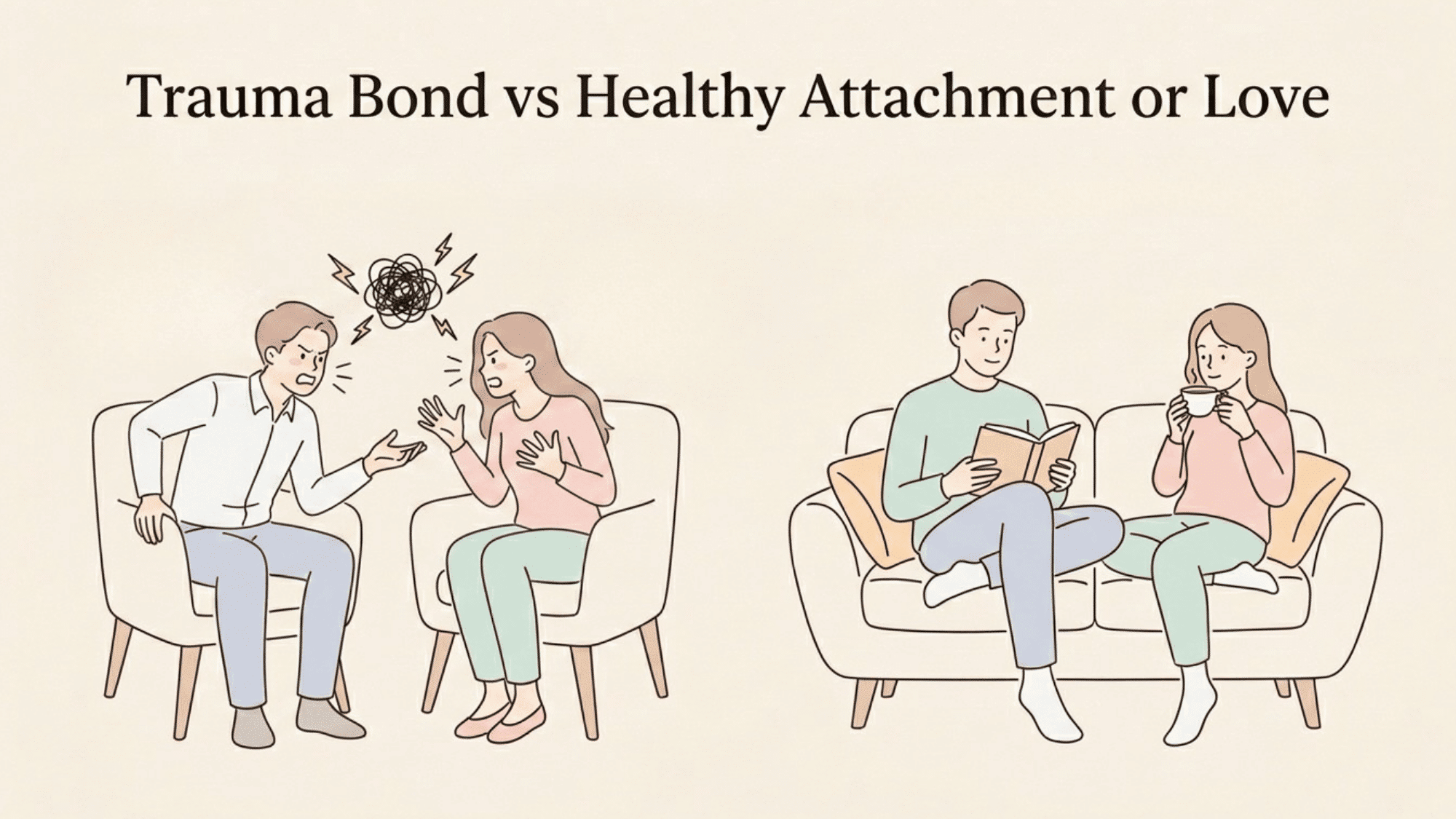
The difference lies in how the relationship functions over time. Healthy attachment is built on trust, consistency, and mutual respect, while trauma bonds often depend on unpredictability.
| Relationship Area | Healthy Attachment | Trauma Bond |
|---|---|---|
| Safety | Safety is consistent | Safety feels unpredictable |
| Conflict | Respect remains during conflict | Fear may be present during conflict |
| Boundaries | Boundaries are accepted | Boundaries are punished or ignored |
| Trust | Trust develops steadily | Trust is repeatedly broken and restored |
| Accountability | Both people take responsibility | Blame and denial are common |
| Love | Love feels secure | Relief may be mistaken for love |
| Emotional needs | Both people’s needs matter | One person’s needs dominate |
What Doesn’t Trauma Bond Include?
A trauma bond is often misunderstood, so it helps to separate it from normal relationship struggles. This distinction matters because people may blame themselves or minimize the harm.
- Not Simple Forgiveness: Forgiving someone does not mean staying in a harmful cycle.
- Not Ordinary Attachment: Healthy attachment is built on safety, trust, and respect.
- Not “being Dramatic”: Feeling trapped or conflicted is a real emotional response.
- Not Proof the Relationship Is Healthy: Strong feelings do not always mean the bond is safe.
- Not the Survivor’s Fault: Attachment can form as a response to fear, hope, and control.
Signs You May Be in a Trauma Bond

According to the CDC, intimate partner violence affects millions of Americans and can create circumstances where trauma bonding may develop.
Recognizing the signs can be challenging. Many people experience genuine affection for someone who has also caused them pain. I encourage approaching this topic with self-compassion rather than self-judgment.
| Emotional Signs | Behavioral Signs | Cognitive Signs |
|---|---|---|
| Feeling responsible for the other person’s emotions | Defending harmful behavior to others | Minimizing harmful incidents |
| Experiencing guilt when setting boundaries | Frequently returning after promises are broken | Blaming yourself for the relationship’s problems |
| Feeling intense anxiety when they withdraw | Prioritizing the relationship over personal well-being | Focusing mainly on positive memories |
| Holding onto hope despite repeated disappointment | Avoiding conversations with concerned friends or family | Believing things will change despite a consistent pattern |
How to Start Breaking a Trauma Bond Safely?
Breaking a trauma bond is not just about willpower. Emotional attachment, safety, and access to support all play a role. Organizations like NIMH and FindTreatment.gov highlight the importance of support as:
- Name the Pattern: Notice repeated cycles of harm, apology, and temporary change.
- Talk to Someone You Trust: Share what is happening with a safe person who can offer perspective.
- Create a Safety Plan: Plan ahead for threats, intimidation, stalking, or abuse.
- Reduce Isolation: Reconnect with people who support you and respect your boundaries.
- Let Go of Forced Closure: Healing may not require the other person to admit what happened.
- Seek Trauma-Informed Support: A qualified professional can help with fear, guilt, shame, and attachment.
The Bottom Line
The meaning of the trauma bond becomes clearer when we understand the repeated cycles of harm and relief that strengthen the connection.
A trauma bond can make a harmful relationship feel emotionally powerful. Healing often begins with recognizing the pattern, rebuilding support, and seeking guidance.
Change may not happen overnight, but understanding what is happening can be an important first step toward greater clarity and safety.
Frequently Asked Questions
Is a Trauma Bond the Same as Being in Love?
No, love and trauma bonding are not the same. Love should include respect, safety, and care, while a trauma bond often includes fear, confusion, and repeated emotional harm.
How Long Does It Take to Break a Trauma Bond?
There is no fixed timeline. Healing depends on safety, support, the length of the relationship, emotional dependence, and access to professional help.
Can Someone Heal from a Trauma Bond?
Yes, healing is possible with support, self-compassion, and time. Many people benefit from therapy, safety planning, reconnecting with trusted people, and learning to recognize unhealthy patterns.
What Is the First Step if I Think I Am in One?
The first step is often to name the pattern honestly and talk to someone safe. If you are searching for whats a trauma bond is, it may also help to write down repeated cycles of harm, apology, relief, and disappointment.